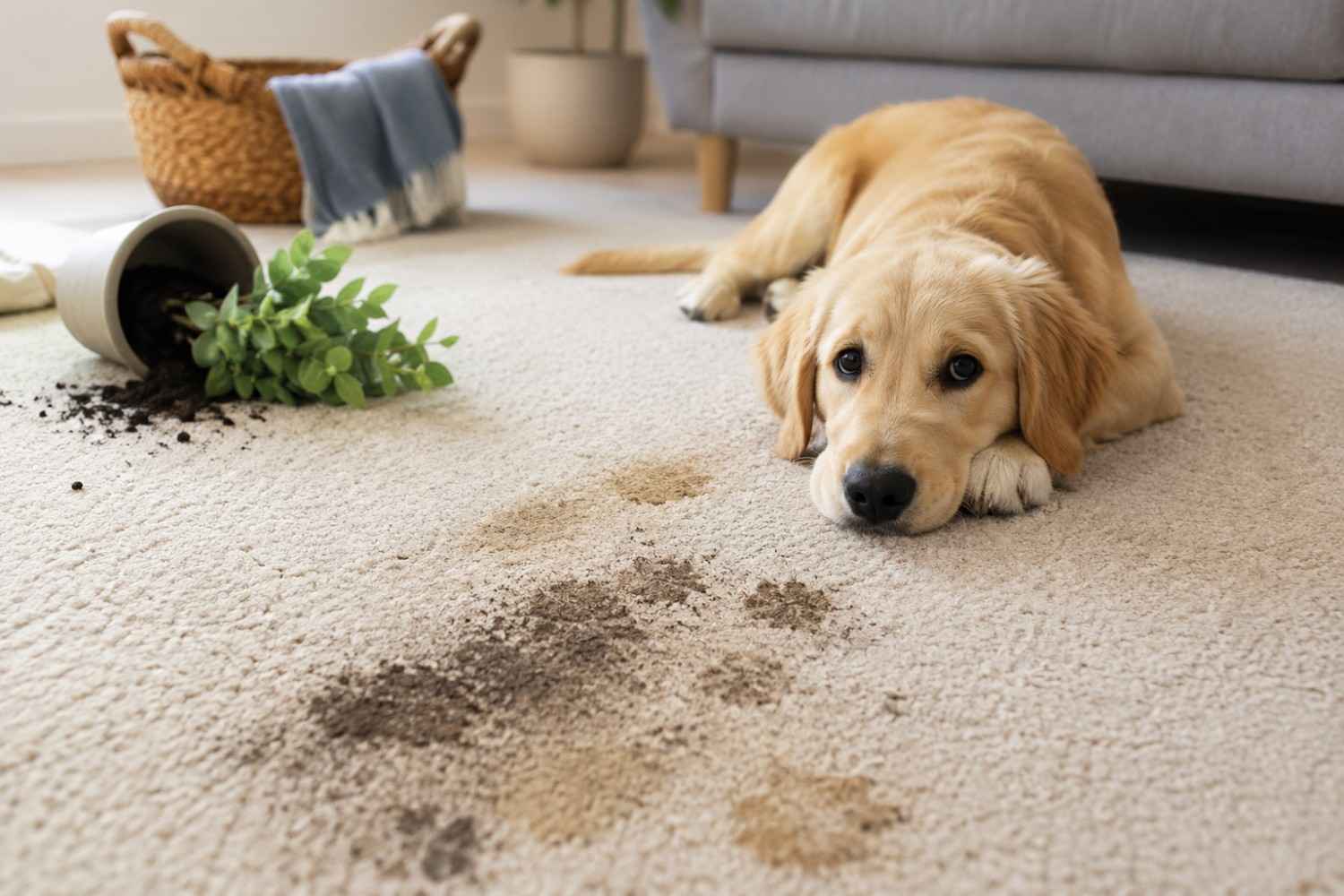
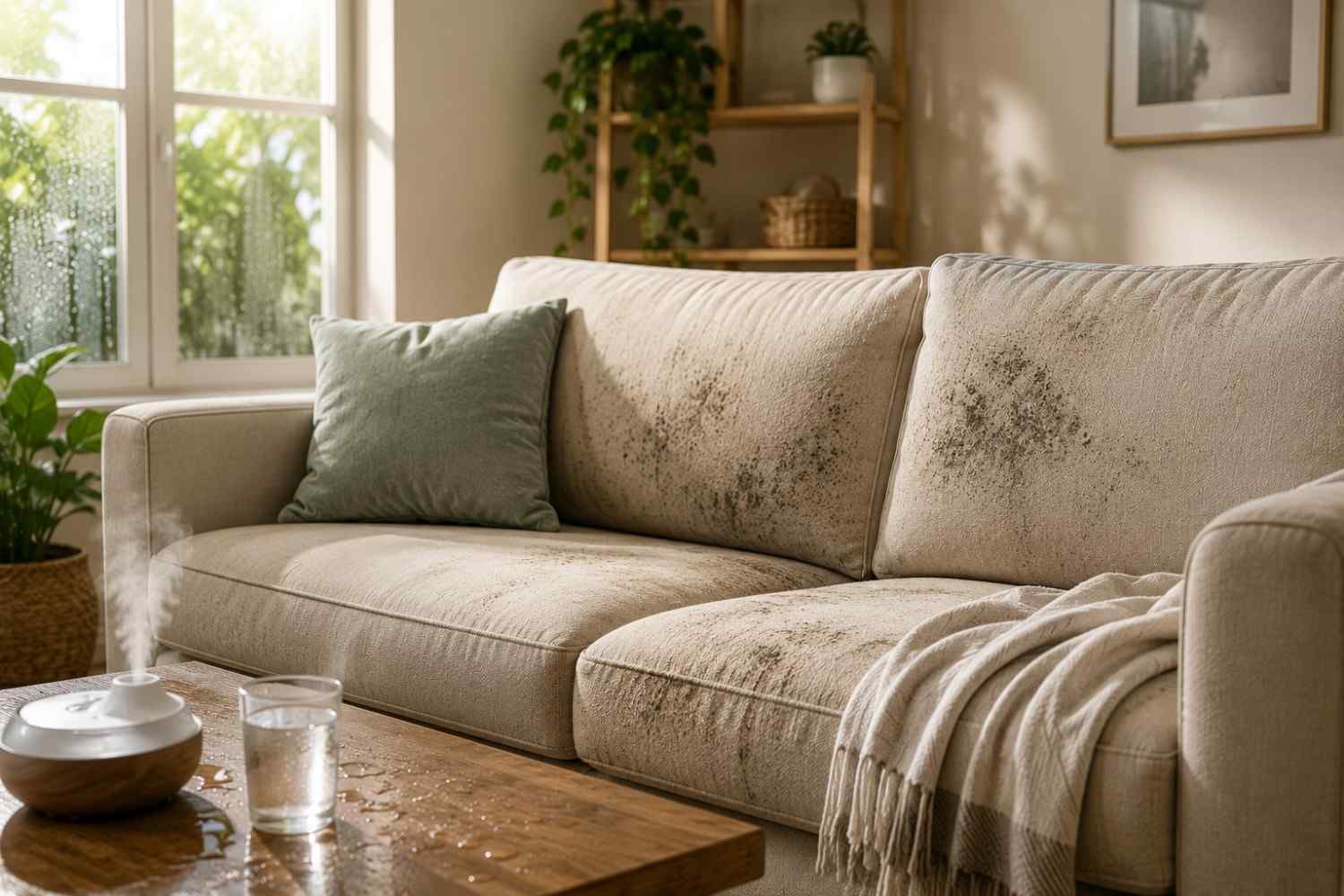
If your sofa, mattress, or favorite armchair has started smelling a little off this summer, humidity is almost certainly the reason. Utah’s monsoon season brings sudden spikes in indoor moisture — from storms rolling through, from air conditioners working overtime against the heat, and from windows that get opened and closed inconsistently as weather swings from dry and dusty to sticky and humid within the same week. Upholstered furniture absorbs that moisture more than almost anything else in your home, and it holds onto it far longer than you’d expect.
This guide explains why that musty smell shows up, what’s actually happening inside your furniture, and what works to fix and prevent it.
Why Upholstery Is Especially Vulnerable to Musty Odors
Couches, mattresses, and upholstered chairs are built with layers — fabric, padding, and foam — that trap air and moisture far more effectively than hard surfaces like tile or hardwood. When humidity rises, that moisture gets absorbed into the fabric and cushioning and can take much longer to fully evaporate than a countertop or floor would.
According to the U.S. Environmental Protection Agency, controlling moisture is the key factor in preventing mold and mildew growth indoors, and materials that stay damp for more than a day or two create the conditions mold needs to take hold. Upholstery is exactly the kind of material that can stay damp far longer than it looks — the surface may feel dry to the touch while the padding underneath is still holding moisture.
What’s Actually Causing the Smell
A musty odor on furniture usually comes from one of a few overlapping causes:
- Elevated indoor humidity. The EPA recommends keeping indoor relative humidity below 60%, ideally between 30% and 50%. Above that threshold, mold, mildew, and odor-causing bacteria become significantly more likely to develop on organic materials, including fabric and foam.
- Trapped moisture from a spill or pet accident. Even a small spill that wasn’t fully dried can leave a hidden pocket of dampness inside the cushion.
- Poor airflow around furniture. Couches pushed tight against exterior walls or placed in rooms with little ventilation trap humidity more than furniture in open, well-ventilated spaces.
- AC condensation or a nearby leak. Air conditioning units can generate condensation that raises local humidity in a room, especially if a drain line is clogged or a window unit isn’t draining properly.
- General summer humidity swings. Even homes without an obvious moisture problem can end up with musty-smelling furniture simply because monsoon humidity spikes push the whole house above that 50–60% comfort zone for days at a time.
How to Get Rid of a Musty Smell on Furniture
- Identify and fix the moisture source first. Deodorizing a couch that’s still absorbing humidity from a leak, condensation, or poor airflow only masks the smell temporarily. Find and address the actual moisture source before anything else.
- Get the furniture into fresh air and sunlight if possible. Moving a cushion or chair outside on a dry day (or opening windows and running fans nearby) speeds up evaporation significantly.
- Sprinkle baking soda over the affected fabric. Let it sit for several hours or overnight, then vacuum thoroughly. Baking soda absorbs odor rather than just covering it up.
- Use a fan or dehumidifier in the room. Increasing airflow and pulling ambient moisture out of the air helps the furniture itself dry out faster and prevents the smell from returning right away.
- Deep clean rather than just deodorize. If the odor persists after drying and baking soda treatment, the cause is likely bacteria or early mold growth within the fabric or padding, which requires actual cleaning rather than odor masking.
- Check the underside and frame, not just the cushions. Musty smells often originate from moisture trapped against a wood frame or the underside of a cushion where airflow is worst.
When DIY Isn’t Enough
A few signs it’s time to call in professional help rather than continuing to treat the surface:
- The smell returns within a day or two of treating it, which usually means moisture is still trapped inside the padding, not just on the fabric surface.
- You can see visible spotting or discoloration, which may indicate mold has already started growing rather than just odor-causing bacteria.
- It’s a mattress, since deep cleaning and proper drying of a mattress at home is much harder to do thoroughly than with a couch cushion.
- Someone in the household has allergies or asthma, since musty, humid furniture is a known trigger and warrants a more thorough professional-grade clean rather than a surface fix.
Our professional upholstery and mattress cleaning service uses high-temperature extraction that pulls trapped moisture and odor-causing bacteria out of both the fabric and the padding underneath — not just the visible surface — with faster drying times than most at-home methods can achieve.
Preventing It From Coming Back
- Keep an eye on indoor humidity, especially in rooms without great airflow. A basic hygrometer costs very little and takes the guesswork out of monitoring it.
- Run a dehumidifier in problem rooms during the most humid stretches of monsoon season, particularly basements and rooms with less natural airflow.
- Leave a little space between furniture and exterior walls to allow air to circulate behind and underneath pieces.
- Address spills immediately rather than letting them air dry on their own, since surface-dry fabric can still be damp several layers down.
- Run the AC’s fan setting periodically even when not actively cooling, which helps circulate air and reduce localized humid pockets in a room.
- Schedule periodic professional cleaning. Most Utah homes benefit from professional upholstery cleaning every 12–24 months, with more frequent service worthwhile for households with pets, allergies, or heavier day-to-day use.
Frequently Asked Questions
Why does my couch smell musty even though I haven’t spilled anything on it? Ambient humidity alone can cause it. Upholstery absorbs moisture from the air, and during Utah’s monsoon season, indoor humidity can climb well above the comfortable range for extended stretches, especially in rooms with limited airflow.
Can I just spray deodorizer on musty furniture instead of cleaning it? Deodorizing sprays mask odor temporarily but don’t address trapped moisture or bacteria. If the underlying moisture source isn’t resolved, the smell typically returns within a day or two.
Is a musty smell on furniture a health concern? It can be, particularly for people with allergies or asthma. A persistent musty smell often indicates bacteria or early mold growth, both of which can affect indoor air quality and trigger respiratory symptoms in sensitive individuals.
How do I know if my furniture needs professional cleaning versus a home fix? If the smell returns quickly after airing out and deodorizing, if you notice visible spotting, or if it’s a mattress rather than a couch cushion, professional cleaning is usually the more reliable fix since it reaches moisture trapped deeper in the padding.
What indoor humidity level should I aim for to prevent this? The EPA recommends keeping indoor relative humidity below 60%, ideally between 30% and 50%, to prevent the conditions that lead to mold, mildew, and musty odors on furniture and other household materials.
Final Thoughts
A musty-smelling couch or mattress during monsoon season almost always comes down to trapped moisture, not a mystery. Identify the humidity source, get airflow moving, treat the fabric properly, and keep an eye on indoor humidity levels through the rest of the season. If the smell keeps coming back or you’re dealing with a mattress rather than a couch cushion, professional cleaning reaches moisture that home methods usually can’t fully resolve.
Dealing with musty furniture that won’t air out? Call (801) 750-2928 for a free upholstery cleaning estimate, or explore our full range of cleaning services for homes across the Wasatch Front.