Summer traffic, dusty monsoon conditions, and months of heavy foot traffic take a real toll on commercial spaces. As Utah businesses head into fall — with schools back in session, foot traffic patterns shifting, and flu season approaching — late summer is the practical window to get ahead of deep cleaning before year-end schedules get busy.
This Cleaning checklist is built for facility managers, office managers, and small business owners who want a clear, practical plan rather than a generic “clean your office” list.
Why Commercial Spaces Need a Different Approach Than Homes
Commercial carpet, tile, and upholstery take on far more daily traffic than a typical home, and the maintenance schedule needs to reflect that. The Carpet and Rug Institute notes that regular vacuuming and professional extraction cleaning are essential not just for appearance, but for indoor air quality — carpet acts as a filter that traps dust, allergens, and particulates, and it needs to be properly maintained rather than just kept looking clean on the surface.
The U.S. Environmental Protection Agency’s guidance for building owners and facility managers similarly frames cleanliness and housekeeping as a shared responsibility that directly affects indoor air quality for everyone in the building — not just an aesthetic concern.
The Fall Prep Cleaning Checklist
1. Carpet: Schedule Deep Extraction Before Traffic Increases
General industry guidance suggests professional carpet extraction every 6–12 months for typical office areas, with high-traffic zones like lobbies, entryways, and hallways benefiting from cleaning every 3–6 months. If your last deep clean was in spring, late summer is the right window to schedule the next one before fall foot traffic ramps up.
Priority areas:
- Entryways and lobbies (highest soil accumulation)
- Conference rooms and common areas
- Hallways connecting high-traffic departments
2. Tile and Grout: Address Summer Buildup
Utah’s hard water and monsoon dust affect commercial tile and grout the same way they affect residential surfaces, just at higher volume. Entryway tile, break room floors, and restroom tile accumulate soap scum, mineral deposits, and grime faster in commercial settings due to higher foot traffic and usage.
Priority areas:
- Entryway and lobby tile
- Restroom flooring and walls
- Break room and kitchen areas
3. Upholstery and Seating: Refresh Before Peak Season
Waiting room furniture, lobby seating, and conference room chairs absorb dust, oils, and odor over months of use. For retail, hospitality, and office environments alike, a pre-fall refresh addresses months of cumulative wear before higher foot traffic arrives with cooler weather and holiday season approaching.
Priority areas:
- Reception and waiting area seating
- Conference room chairs
- Any upholstered furniture in customer-facing spaces
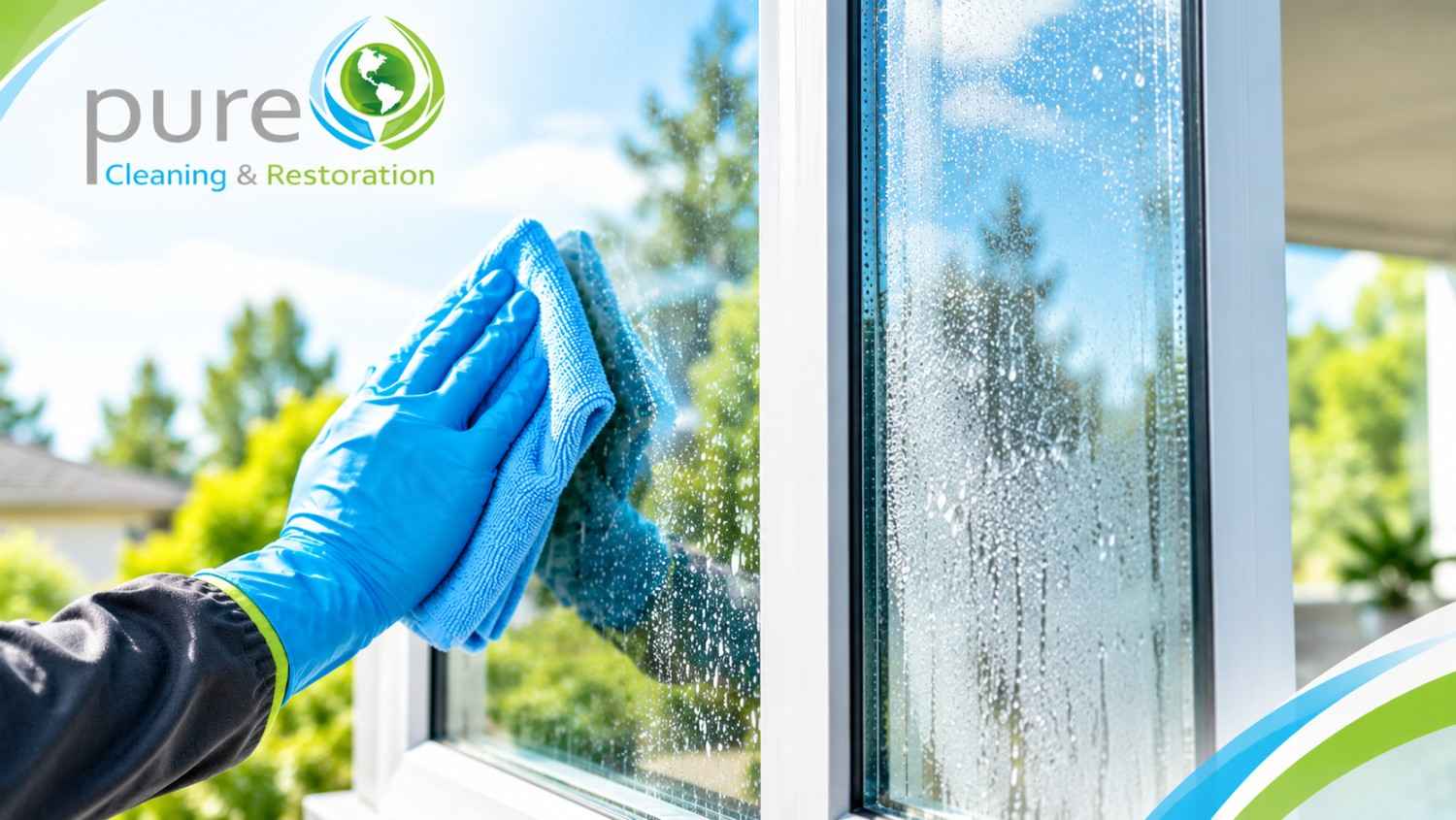
4. Windows: Clear Summer Dust and Buildup
Commercial window cleaning is typically scheduled monthly or quarterly, but if your building has gone through a dusty monsoon season without a cleaning, late summer buildup can be more significant than usual. Clean, streak-free windows also matter more than most facility managers assume — they’re one of the first things clients and visitors notice walking in.
5. Address Any Lingering Moisture or Musty Odors Now
Before fall arrives, walk affected areas and check for any signs of moisture issues that developed during the humid stretches of monsoon season — musty odors, discoloration on ceiling tiles, or damp carpet in corners. The EPA’s guidance on commercial building air quality specifically flags inadequate maintenance and housekeeping, water intrusion, and condensation as common contributors to poor indoor air quality, and catching these issues before fall keeps small problems from becoming bigger ones during the colder months when ventilation typically decreases. (If your facility took on actual storm or flood damage this monsoon season rather than just musty odors, that’s a separate, more urgent issue — see our monsoon storm damage guide for next steps.)
A Simple Maintenance Cadence Going Forward
Rather than treating cleaning as a one-time event, most commercial spaces benefit from a tiered approach:
- Daily: Vacuum high-traffic carpet areas; spot-clean spills immediately to prevent staining.
- Monthly to quarterly: Window cleaning and tile/grout maintenance in high-visibility areas.
- Every 3–6 months: Deep carpet extraction in high-traffic zones (entryways, hallways).
- Every 6–12 months: Full-facility carpet extraction, upholstery cleaning, and comprehensive tile and grout service.
Building this cadence into a facility’s calendar — rather than waiting for visible dirt or complaints — tends to be considerably more cost-effective than reactive, one-off deep cleans, since regular maintenance extends the life of carpet, upholstery, and flooring investments.
Why Timing It Now Matters
Scheduling a full-facility cleaning in late summer, before fall business picks up, has a few practical advantages:
- Lower competition for service slots compared to the fall and holiday rush when many businesses schedule cleaning at once.
- A clean baseline before flu season, when surfaces and carpets in shared spaces see heavier use as people track more indoors and spend more time inside.
- Time to address any issues found — a moisture problem or stubborn stain discovered now can be resolved before it becomes a bigger, more disruptive project during a busier season.
Frequently Asked Questions
How often should a commercial office have its carpets professionally cleaned?
General guidance suggests every 6–12 months for typical office carpet, with high-traffic areas like entryways and hallways benefiting from cleaning every 3–6 months. Facilities with heavier foot traffic, such as retail stores, may need more frequent service.
Does commercial carpet cleaning actually affect indoor air quality?
Yes. Carpet traps dust, allergens, and particulates from foot traffic, and if it isn’t professionally cleaned periodically, those contaminants can continue circulating in the building’s air rather than being removed.
What’s the most important area to prioritize if we can’t clean the whole facility at once?
Entryways and lobbies typically accumulate the most soil and see the highest traffic, making them the highest-priority area if a full-facility clean isn’t immediately possible.
Is it worth scheduling cleaning before fall specifically, or does timing not matter much?
Timing does help. Scheduling before fall means avoiding the rush many businesses create by waiting until the holiday season, and it establishes a clean baseline before flu season increases indoor traffic and surface contact.
Do commercial spaces need different cleaning products or methods than residential cleaning?
Higher-traffic commercial spaces generally benefit from more frequent professional extraction and, in some settings like healthcare or food service, may require specific disinfectant standards. A commercial cleaning provider can advise on the right approach for your specific facility type.
Final Thoughts
Late summer is a practical, often underused window to get commercial carpet, tile, upholstery, and windows properly maintained before fall traffic and flu season increase wear on your space. A simple, tiered maintenance schedule — rather than reactive, one-off cleaning — keeps facilities looking professional and protects the investment in flooring and furniture over the long run.
Ready to get your facility ahead of fall? Call (801) 750-2928 for a commercial cleaning estimate, or explore our full range of cleaning services for businesses across the Wasatch Front.