Short answer: A property damage claim follows a clear path: report the loss to your insurer, protect the property from more damage, document everything, meet the adjuster, review the estimate, and then complete repairs and get paid. In Utah, the Insurance Department says not to make permanent repairs until your insurer has inspected, and Utah’s claims rule gives insurers set time limits to respond and to accept or deny a claim after they receive a complete proof of loss.
Most people file their first claim on the worst day: a burst pipe, a sewage backup, a fire, a storm. You are stressed, the house is damaged, and every decision feels expensive. This guide walks through the process in order, with Utah-specific rules where they apply, so you know what to do first, what to avoid, and where a restoration company fits in.
Property damage right now? Start protecting your home while you call your insurer. Call (801) 750-2928 for 24/7 emergency help from a Utah team that documents the work for your claim. See our water damage restoration, fire and smoke cleanup, and storm damage cleanup services.
The Claim Process at a Glance
| Step | What you do | Why it matters |
|---|---|---|
| 1 | Make the situation safe | People and utilities come first |
| 2 | Call your insurer or agent | Starts the claim and tells you what they need |
| 3 | Protect the property from further damage | Policies expect reasonable steps to limit the loss |
| 4 | Document everything | Your proof of what was damaged and when |
| 5 | Meet the adjuster | The adjuster decides how much the insurer should pay |
| 6 | Review the estimate and scope | The first number is where the conversation starts |
| 7 | Repair, keep records, and get paid | Receipts and drying records support payment |
Step 1: Make the Situation Safe
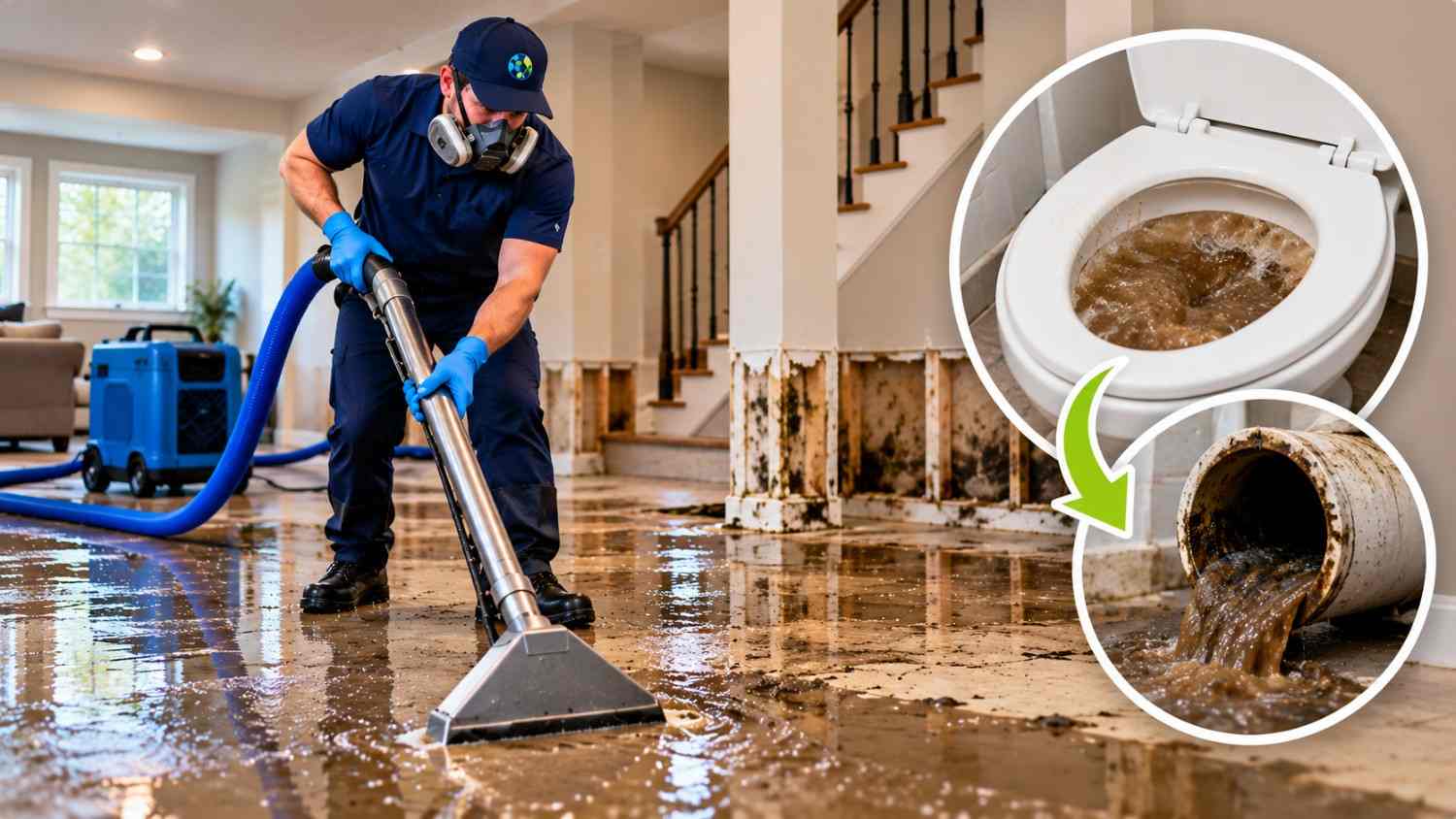
Before anything else, deal with safety. Turn off power to affected areas if you can do it safely, stop active water (see our guides on how to prevent costly water damage), and keep everyone out of anything unsafe, such as sewage, a smoke-damaged structure, or a sagging ceiling. If a crime may be involved, report it to the police, as Triple-I advises, and keep the report number.
Step 2: Call Your Insurance Company
The Utah Insurance Department says to call your insurance company or agent as soon as possible with your policy number, and to ask what documents, forms, and information you will need. Triple-I suggests asking these questions on that first call:
- Am I covered for this kind of loss?
- What is the filing deadline?
- Does the damage likely exceed my deductible?
- How long will the claim take to process?
- Do I have coverage for living expenses if I cannot stay home?
Ask for a claim number and write down the name of the person you spoke with, the date, and what they said.
Know what your policy may exclude
Coverage depends on the cause of the loss. Triple-I explains that sudden, accidental discharge of water from plumbing or an appliance is generally covered under common homeowners forms, but flood damage is excluded and sewer backups are not covered unless you added an endorsement. Damage from lack of maintenance is not covered either. Read your declarations page and endorsements, or ask your agent, before you assume anything. Our sewer backup and sewage cost guides explain that last point in detail (links once live).
Step 3: Protect the Property From More Damage
Your policy expects you to take reasonable steps to prevent further loss. The Utah Insurance Department lists examples such as covering broken windows, leaking roofs, and damaged walls. Triple-I adds that you should photograph or video the damage first and keep receipts for what you spend, since you may be reimbursed.
In practice, that can include:
- Shutting off water at the source.
- Tarping a damaged roof opening.
- Boarding up windows or doors.
- Extracting standing water and starting drying.
- Moving belongings out of wet areas.
Do not make permanent repairs yet. The Utah Insurance Department is direct about this: do not have permanent repairs made until your insurance company has inspected the property. Temporary protection is fine. Rebuilding is not, until your insurer has seen the damage.
Time also affects the damage itself. The EPA recommends drying water-damaged areas and items within 24 to 48 hours to prevent mold growth, in its brief guide to mold, moisture, and your home. That is one reason many homeowners call a restoration company right after they call their insurer.
Step 4: Document Everything
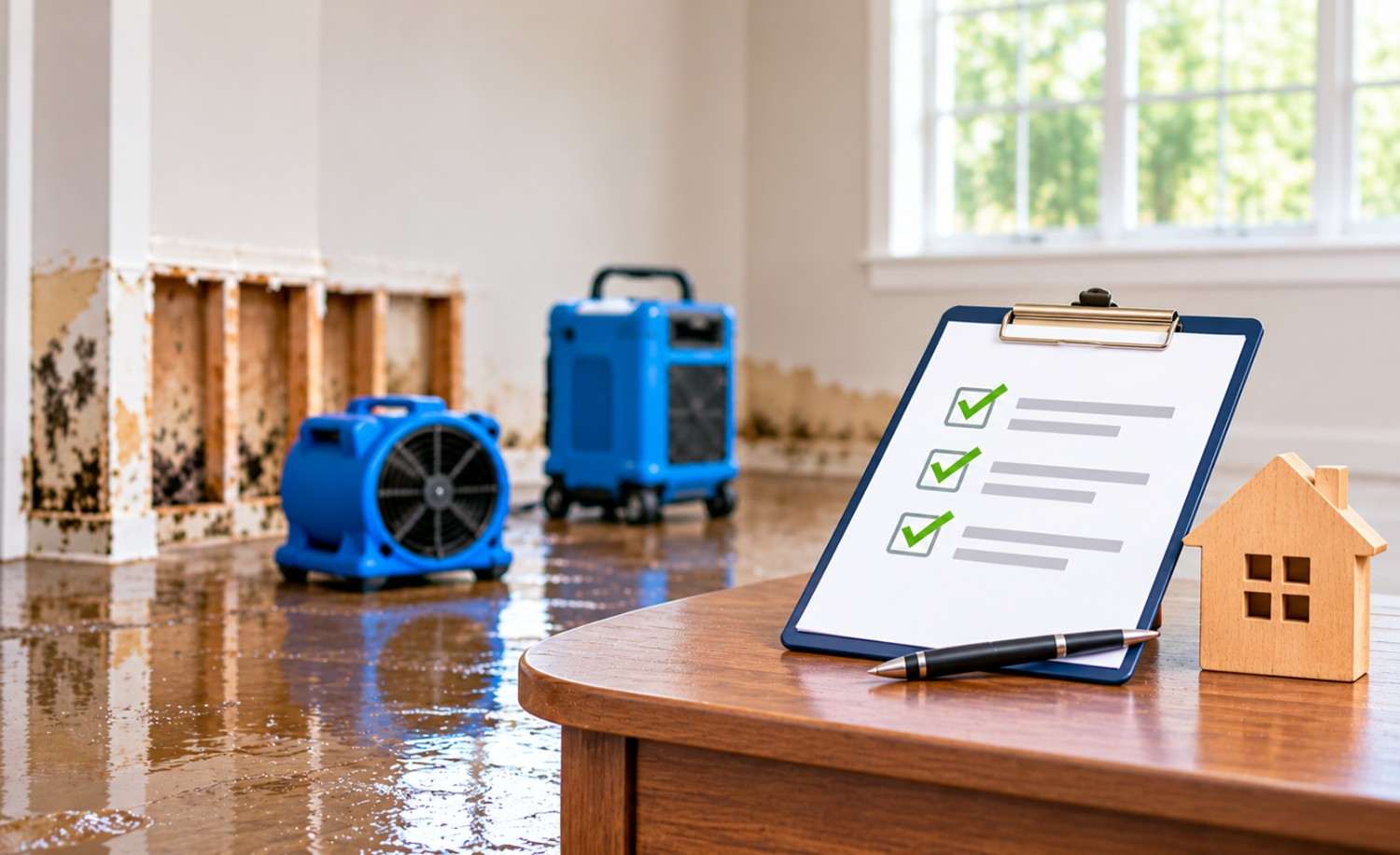
Good records make claims go faster and smoother.
Photos and video
- Take wide shots and close-ups of each room, before you move anything.
- Capture water lines, soot, stains, and damaged contents.
- Take a slow video walk-through and narrate what you see.
Inventory
- List damaged items with a short description, approximate age, and value.
- Triple-I advises giving the adjuster a copy.
- Keep damaged items until the adjuster has seen them, unless they are unsafe.
Receipts and notes
- Save every receipt for emergency repairs, supplies, and hotels or meals if you cannot stay home.
- Write down every call: date, time, name, and what was said.
- Keep emails and letters from your insurer in one folder.
If you cannot live in the home, ask about additional living expenses. Triple-I notes that most homeowners policies provide this coverage, and you will need to show receipts.
Step 5: Meet the Adjuster
The adjuster inspects the damage and determines how much the insurer should pay, according to Triple-I. Be there if you can.
How to prepare:
- Walk the adjuster through every affected area, including hidden spots such as under flooring, inside cabinets, and in basements and attics.
- Hand over your photo set, inventory, and receipts.
- Share moisture readings or drying logs if a restoration company has started work.
- Ask what happens next and when you should hear back.
- Mention any new damage right away if you spot it later, such as a new stain or smell.
Types of adjusters you may meet: a staff adjuster employed by the insurer, an independent adjuster hired by the insurer for a particular claim, or a public adjuster that you hire to represent you. A public adjuster is optional and usually charges a fee, so read the contract before signing.
Step 6: Review the Estimate and Scope
After the inspection, the insurer prepares an estimate of the repairs and cost. Read it carefully:
- Does it include every damaged room and material you documented?
- Does it include drying, cleaning, and disinfecting, not just replacement?
- Are the quantities right? Check measurements and materials.
- Does it cover contents (belongings) as well as the building?
- Are the prices realistic for Utah labor and materials?
If you think the scope is incomplete, send a written explanation with photos, moisture readings, and a contractor’s estimate. Insurers can revise an estimate when more information comes in.
What Utah’s Claims Rule Says About Timing
Utah has a rule on how insurers must handle property and casualty claims, Utah Administrative Code R590-190. Based on the text of the rule, key timing points include:
| Situation | Time limit in the rule |
|---|---|
| You request a response from the insurer | The insurer must give a substantive response within 15 days (R590-190-6) |
| After you send a complete proof of loss | The insurer must accept or deny within 30 days, unless the investigation cannot reasonably be completed in that time (R590-190-10) |
| The insurer needs more time | It must tell you within 30 days and explain why |
| Investigation still open | The insurer must send a status letter within 45 days of the initial notice and every 45 days after, unless you have a lawyer or public adjuster |
These are general summaries of a legal rule and not legal advice. Policy terms, the type of claim, and the facts can change how a rule applies. If you think your insurer is not following the rules, you can contact the Utah Insurance Department at 801-957-9305 or 800-439-3805. The Department notes that it cannot settle disputes the way a court can, and some disputes can only be decided in court.
Step 7: Repair, Keep Records, and Get Paid
Once you and the insurer agree on the scope, repairs can proceed. Payment arrangements vary: a lump sum, payments in stages, or checks made out to you and a contractor or lender. Keep all invoices and proof of completed work. Some policies pay actual cash value first and release the remaining amount after repairs are finished.
Triple-I notes that state laws require prompt payment once you and the insurer agree on a settlement.
Choosing a Restoration Company After a Loss
You can ask your insurer for recommendations, and some will offer names. Ask them whether you may use the company of your choice, and check your policy. Whoever you choose, vet them first:
- Get written estimates before committing.
- Check reputation and references. Triple-I advises looking for professionals with a solid reputation in your community.
- Do not pay a large deposit before researching the company. Triple-I warns that some contractors start a job and disappear.
- Remember that temporary repairs are part of your overall settlement, so a large up-front payment can leave you short for permanent repairs.
- Ask how they document work and whether they will talk with your adjuster.
- Ask about a clear scope, a written agreement, and how changes are handled.
What good documentation from a restoration company looks like
Your claim is stronger when the work is documented clearly. A professional restoration company should provide:
- Before, during, and after photos.
- Moisture readings that show where water traveled and when materials reached normal moisture levels.
- Drying logs showing equipment placement and daily readings.
- A written scope of work listing what was removed, cleaned, dried, or replaced.
- An itemized invoice that matches the scope.
- Communication with your adjuster, when you authorize it.
At Pure Cleaning and Restoration, we document our work for your insurance claim and are happy to speak with your adjuster. We are veteran-owned, based in Kaysville, and have served Utah since 2011. See our service areas for the counties we cover, from Salt Lake and Davis to Utah, Weber, Summit, and beyond.
Common Claim Mistakes to Avoid
- Waiting to report. Delay can complicate coverage and let damage grow.
- Starting permanent repairs before inspection. The Utah Insurance Department specifically warns against this.
- Throwing out damaged items too soon. Photograph them and wait for the adjuster unless they are unsafe.
- Skipping temporary protection. Your policy expects reasonable steps to limit further damage.
- Relying on phone calls only. Follow up in writing and keep copies.
- Accepting the first number without reading it.
- Paying a large deposit to an unvetted contractor.
- Missing hidden damage. Water inside walls and floors may not show until days later. If new damage appears, report it promptly.
- Assuming everything is covered. Check for exclusions such as flood, sewer backup, and lack of maintenance.
How Different Types of Damage Affect a Claim
- Water damage: Sudden pipe, appliance, or heater failures are commonly covered. Gradual leaks and lack of maintenance often are not. Fast drying protects both your home and your claim. Our water damage restoration cost guide explains what drives restoration costs.
- Fire and smoke: Document soot and smoke damage in every room, including rooms with no visible fire. See our fire and smoke cleanup service.
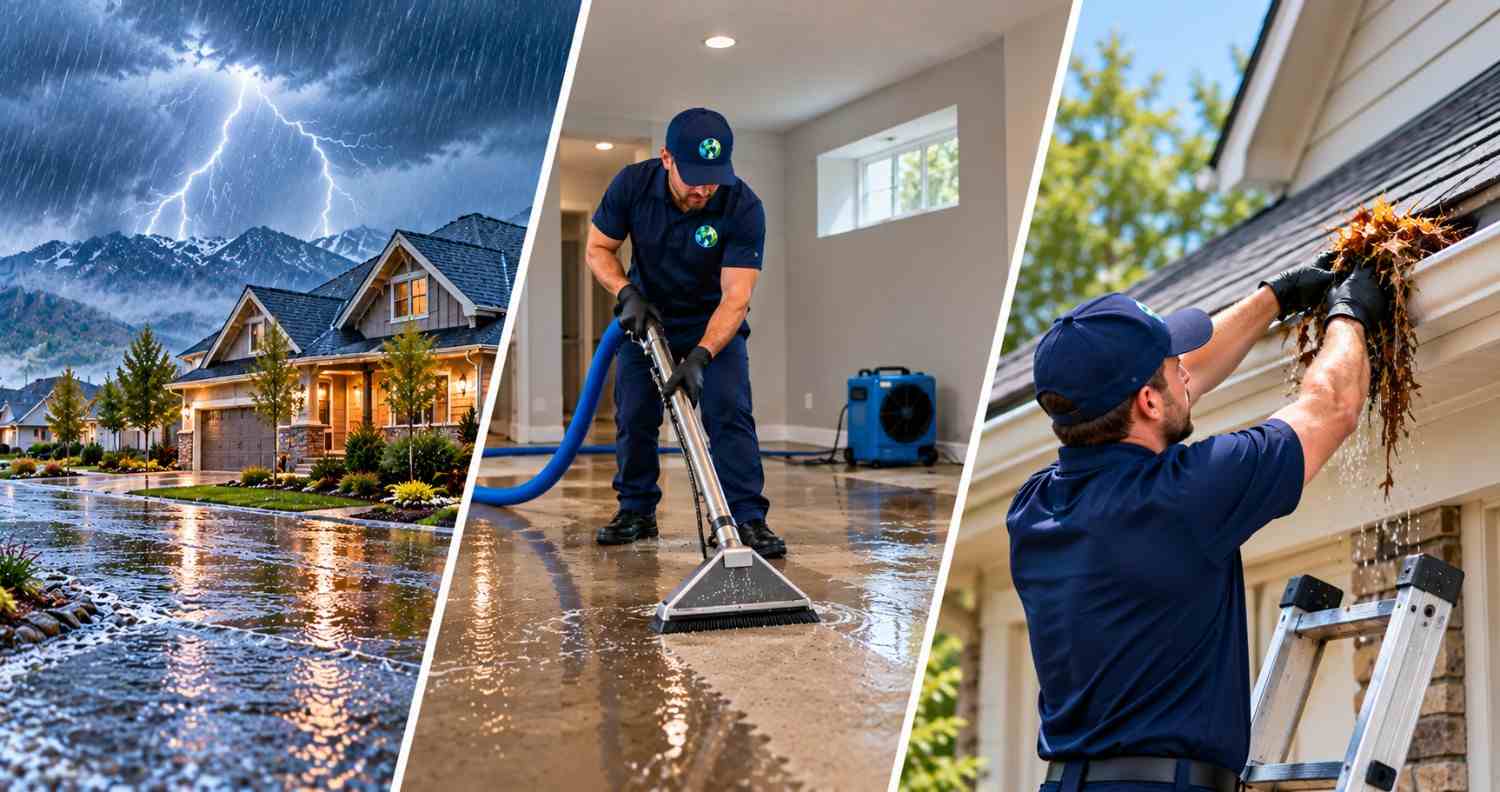
- Storm damage: Wind and hail are often covered, while flood damage generally requires a separate flood policy. Our storm damage cleanup team can secure and dry the home.
- Sewage backup: Often excluded unless you have the endorsement. Contaminated materials are typically removed, so documentation matters. See our sewage cleanup service.
- Mold: Coverage varies widely, and mold that follows a covered water loss is treated differently from mold caused by neglect. Ask your insurer early. Our mold removal team can inspect and document.
- Businesses: Commercial policies add concerns such as business interruption. Our commercial water damage restoration team works around tenants and schedules.
If Your Claim Is Denied or Underpaid
A first answer is not always the last one.
- Ask for the reason in writing, with the policy language the insurer relied on.
- Review your policy and compare it to the explanation.
- Send additional evidence: photos, moisture readings, contractor estimates, and receipts.
- Ask for a re-inspection or an internal review.
- Contact the Utah Insurance Department at 801-957-9305 or 800-439-3805, or file a complaint through its website.
- Consider outside help such as a public adjuster or an attorney for large or disputed claims. Your policy may also include an appraisal process for disagreements about value.
Frequently Asked Questions
How does a property damage insurance claim work?
You report the loss to your insurer, protect the property from more damage, document the damage, meet the adjuster, review the estimate, complete repairs, and keep records until the claim is paid. In Utah, do not make permanent repairs until the insurer has inspected.
Should I call my insurance company or a restoration company first?
Call your insurer to open the claim, and start protecting the property right away. Emergency steps such as stopping water, extracting water, tarping, and boarding up are expected under most policies, and restoration companies can start while you work with your insurer.
How long does an insurance claim take in Utah?
It varies with the type of loss. Under Utah’s claims rule, an insurer must accept or deny within 30 days after receiving a complete proof of loss, unless it cannot reasonably complete the investigation in that time, and then it must explain why and send status letters.
Can I choose my own restoration company?
Ask your insurer and review your policy. Insurers may suggest companies, but you can ask whether you can use the company you choose. Get written estimates and check references before hiring.
Do I need to wait for the adjuster before cleaning up?
Do not wait to stop further damage. Protect the property, take photos first, keep receipts, and keep damaged items for the adjuster unless they are unsafe. Hold off on permanent repairs until the insurer inspects.
What does an insurance adjuster do?
An adjuster inspects the damage and determines how much the insurer should pay. Show the adjuster every affected area and give them your photos, inventory, and receipts.
Does homeowners insurance cover water damage?
Often, if it is sudden and accidental, such as a burst pipe or appliance failure. Flood damage is excluded under standard policies, sewer backup requires an endorsement, and lack of maintenance is not covered. Check your own policy.
What if my claim is denied?
Ask for the denial reason in writing, review your policy, send more evidence, and ask for a review. You can contact the Utah Insurance Department, and for larger disputes consider a public adjuster or attorney.
Final Thoughts
An insurance claim is a process with a clear order: safety, call your insurer, protect the property, document, meet the adjuster, review the estimate, and repair with good records. The mistakes that cost people the most are waiting too long, doing permanent repairs too early, and relying on poor documentation. A restoration company that dries quickly and records its work carefully can protect both your home and your claim.
Dealing with property damage and a claim?
Call Pure Cleaning and Restoration at (801) 750-2928 for 24/7 emergency response. We will start protecting your property and document everything your insurer needs.
Related Reading on Our Site
- Water Damage Restoration Cost Guide
- How to Prevent Costly Water Damage
- Sewer Backup: What to Do Right Now (add link once live)
- Sewage Cleanup Cost in Utah (add link once live)
- Water Damage Categories: Clean, Gray, and Black Water (add link once live)
- What Does IICRC Certified Mean (add link once live; rewrite pending)
External Sources Used
- Utah Insurance Department, Home Claims Information (call insurer, protect property, no permanent repairs before inspection, living expenses, department phone numbers): https://insurance.utah.gov/consumers/home-insurance/home-claims-info/
- Utah Administrative Code R590-190-10, Minimum Standards for Prompt, Fair, and Equitable Settlement (30 and 45 day timing): https://www.law.cornell.edu/regulations/utah/Utah-Admin-Code-R590-190-10
- Utah Administrative Code R590-190-6, Failure to Acknowledge Communication (15 day response): https://www.law.cornell.edu/regulations/utah/Utah-Admin-Code-R590-190-6
- Triple-I, How to File a Homeowners Claim (steps, adjuster, receipts, inventory, living expenses): https://www.iii.org/article/how-to-file-a-homeowners-claim
- Triple-I, Avoiding Scams After a Disaster (choosing contractors, deposits, temporary repairs): https://www.iii.org/article/avoiding-scams-after-a-disaster
- Triple-I, Which Disasters Are Covered by Homeowners Insurance? (sewer backup endorsement, flood exclusion, maintenance): https://www.iii.org/article/which-disasters-are-covered-by-homeowners-insurance
- U.S. EPA, A Brief Guide to Mold, Moisture, and Your Home (24 to 48 hour drying): https://www.epa.gov/mold/brief-guide-mold-moisture-and-your-home