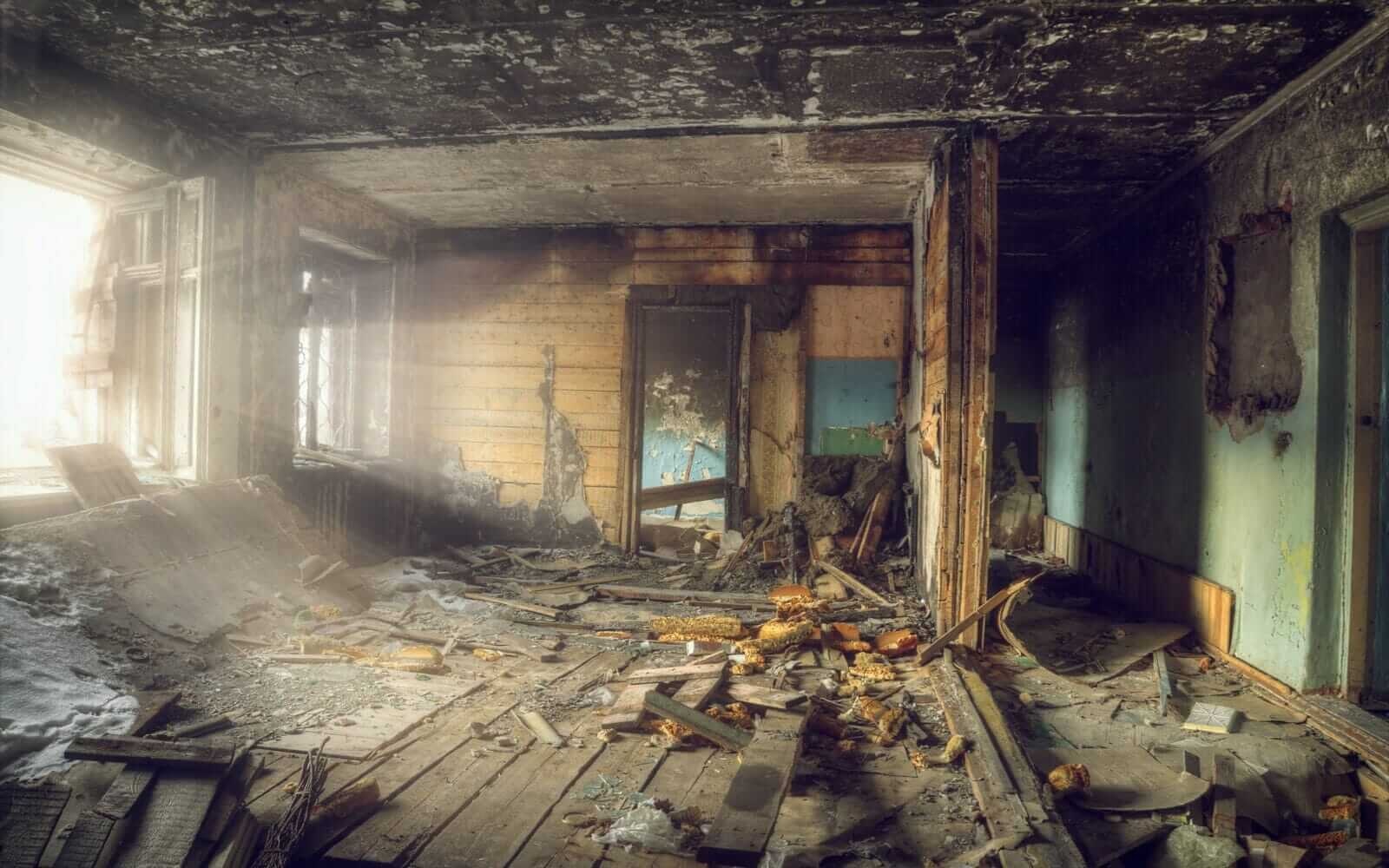
Property damage can happen without warning. A burst pipe during winter, a kitchen fire, or sudden flooding from heavy rain can leave homeowners overwhelmed and unsure of what to do next. In situations like these, working with a restoration specialist can make the difference between prolonged disruption and a structured, efficient recovery.
A trained restoration professional brings technical expertise, specialized equipment, and a clear recovery process designed to restore homes safely and efficiently. In Utah, where seasonal weather patterns can increase the risk of water damage, fire incidents, and mold growth, property damage restoration services play a vital role in helping homeowners return their properties to livable condition.
This article explores how a restoration specialist supports homeowners through the recovery process, what services they provide, and why professional intervention is often essential after property damage.
Understanding the Role of a Restoration Specialist
A restoration specialist is a trained professional who focuses on repairing and restoring properties affected by damage from water, fire, storms, mold, or other disasters. Their role goes beyond basic cleaning or repair work. Restoration specialists use industry-standard techniques to stabilize structures, prevent secondary damage, and safely restore the home.
Professional restoration companies often follow standards set by organizations such as the Institute of Inspection Cleaning and Restoration Certification (IICRC), which establishes guidelines for water damage restoration, fire cleanup, and mold remediation.
Typical responsibilities include:
-
Assessing the extent of damage
-
Preventing further structural deterioration
-
Removing contaminated materials
-
Drying and dehumidifying affected areas
-
Cleaning smoke, soot, or water residues
-
Restoring damaged building materials
Because property damage can escalate quickly, especially in cases of water intrusion, restoration specialists typically provide emergency restoration services designed to begin mitigation immediately.
Common Types of Property Damage in Utah Homes
Utah’s climate and environmental conditions create several common risks for residential properties. A skilled Utah restoration specialist is familiar with these challenges and knows how to address them effectively.
Water Damage
Water damage is one of the most frequent reasons homeowners contact restoration professionals. Causes may include:
-
Burst or frozen pipes during winter
-
Appliance leaks
-
Roof damage from storms
-
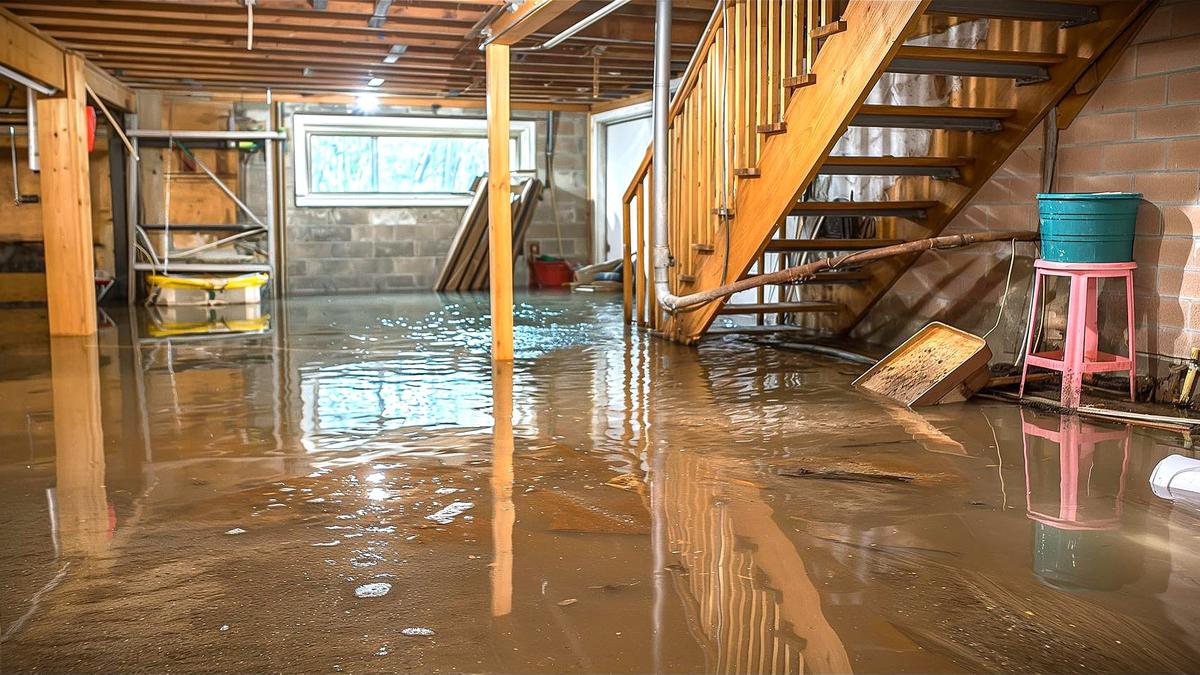
Basement flooding
-
Sewage backups
According to the Insurance Information Institute, water damage and freezing account for nearly 29% of all homeowner insurance claims in the United States, making it one of the most common forms of residential property loss.
Without prompt drying and cleanup, water damage can lead to structural weakening, mold growth, and costly repairs.
Fire and Smoke Damage
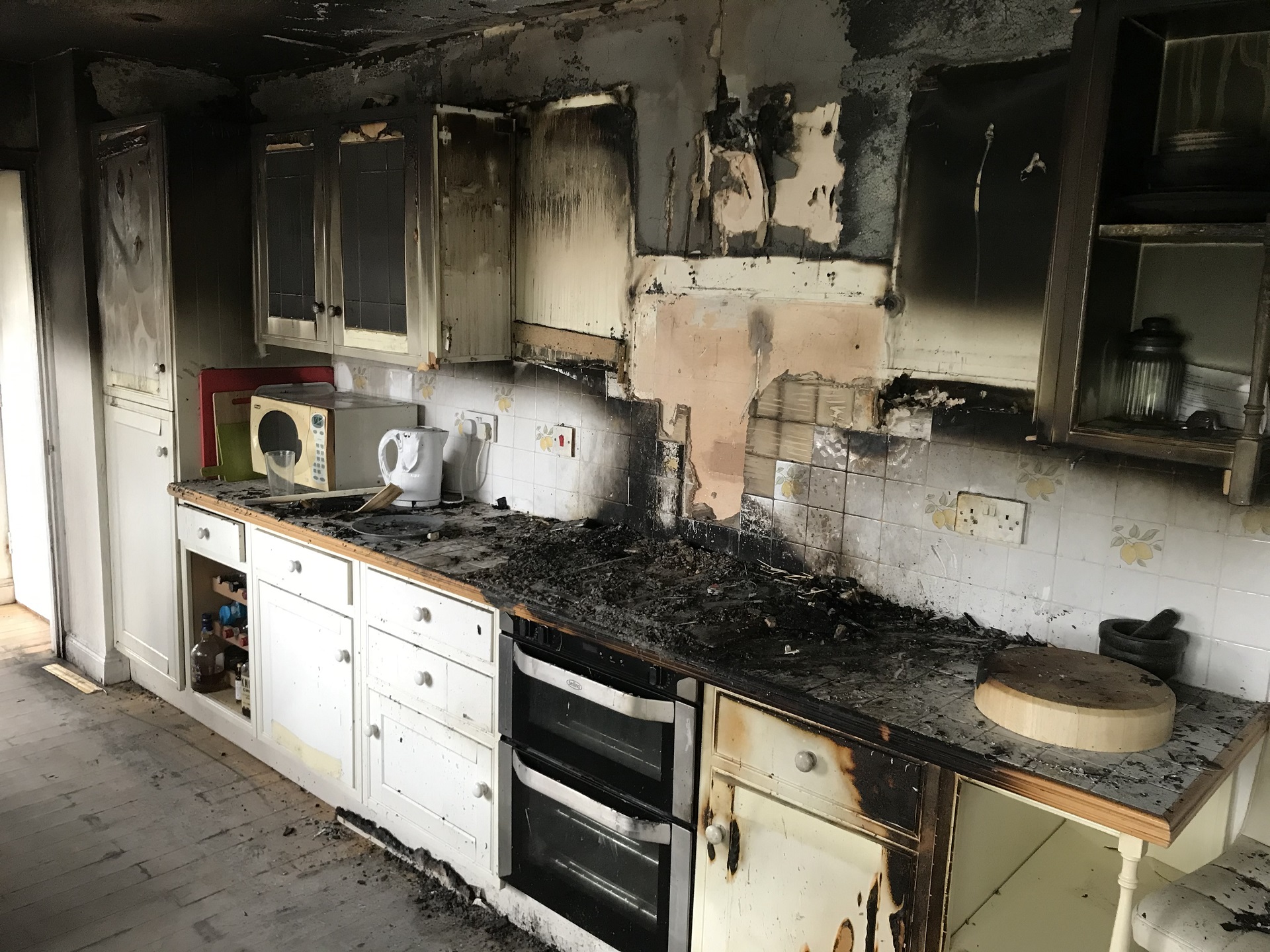
Even a small household fire can leave behind extensive smoke residue and structural damage. Fire restoration often involves:
-
Smoke odor removal
-
Soot cleanup
-
Structural repairs
-
Air purification
A restoration specialist ensures that lingering contaminants and hidden damage are properly addressed.
Mold Growth
Moisture problems that go untreated can lead to mold within 24 to 48 hours. Mold not only damages surfaces but can also affect indoor air quality.
Professional restoration teams use containment procedures, HEPA filtration, and specialized cleaning methods to remove mold safely.
Storm and Weather Damage
Utah experiences seasonal storms that can cause:
-
Roof leaks
-
Flooding
-
Structural damage
-
Debris contamination
After severe weather events, disaster cleanup services help homeowners secure their property and begin the recovery process.
The Property Damage Restoration Process
A professional restoration company typically follows a structured process designed to address both immediate hazards and long-term repairs.
1. Emergency Response and Damage Assessment
When homeowners contact a restoration specialist, the first step is a thorough inspection of the affected areas. Restoration teams evaluate:
-
Structural damage
-
Moisture levels
-
Safety hazards
-
Contaminated materials
Advanced tools such as thermal imaging cameras and moisture meters help identify hidden damage that may not be visible on the surface.
Rapid response is critical. The Federal Emergency Management Agency (FEMA) notes that quick mitigation can significantly reduce long-term repair costs.
2. Immediate Damage Mitigation
Before restoration work begins, specialists take steps to stabilize the property.
Examples include:
-
Water extraction
-
Temporary board-up services
-
Roof tarping
-
Containment of affected areas
These measures prevent additional damage while restoration planning begins.
3. Water Removal and Structural Drying
If water damage is involved, removing moisture quickly becomes the priority. Restoration teams use industrial equipment such as:
-
High-capacity water extractors
-
Commercial air movers
-
Dehumidifiers
-
Moisture detection systems
Proper drying prevents warping, structural weakening, and mold growth.
4. Cleaning and Sanitization
After drying is complete, restoration specialists focus on cleaning affected surfaces.
This stage may include:
-
Disinfecting contaminated areas
-
Removing smoke or soot residues
-
Deodorizing the home
-
Cleaning salvageable materials such as furniture or carpets
Professional cleaning methods help restore the property safely while reducing potential health risks.
5. Repair and Reconstruction
Once the cleanup process is complete, the final step involves repairing damaged structures.
This may include:
-
Replacing drywall or insulation
-
Flooring repair
-
Cabinet or fixture replacement
-
Structural framing repairs
-
Interior finishing work
Some restoration companies provide full reconstruction services, allowing homeowners to complete the entire recovery process with one team.
Why Professional Restoration Services Matter
While some homeowners attempt DIY cleanup after property damage, professional restoration services provide several key advantages.
Faster Recovery
Restoration specialists respond quickly and use high-powered equipment that removes moisture and contaminants more efficiently than household tools.
Speed is important because many types of damage worsen over time.
Prevention of Secondary Damage
Water damage that is not fully dried can lead to:
-
Mold growth
-
Structural decay
-
Persistent odors
Professionals use moisture monitoring technology to ensure that hidden damp areas are fully addressed.
Insurance Claim Assistance
Many restoration companies work directly with insurance providers. They document damage, provide detailed reports, and help homeowners navigate the claims process.
This documentation often speeds up claim approvals and reduces confusion during stressful situations.
Health and Safety Protection
Certain types of property damage may involve hazardous conditions, including:
-
Contaminated floodwater
-
Mold spores
-
Smoke residue
-
Structural instability
A trained Utah restoration specialist understands how to safely handle these risks while protecting occupants and workers.
When Homeowners Should Call a Restoration Specialist
Not every minor issue requires professional help, but certain situations almost always do.
Homeowners should consider contacting a restoration professional if they experience:
-
Standing water inside the home
-
Flooded basements
-
Fire or smoke damage
-
Sewage backups
-
Mold growth larger than a small surface area
-
Storm-related structural damage
The sooner mitigation begins, the more likely it is that materials such as flooring, drywall, and personal belongings can be saved.
Choosing the Right Utah Restoration Specialist
Selecting a reputable restoration company is an important step in the recovery process.
Homeowners should look for providers who offer:
-
IICRC-certified technicians
-
24/7 emergency response
-
Experience with local weather-related risks
-
Transparent estimates
-
Assistance with insurance claims
Reading reviews and verifying licensing or certification can also help ensure homeowners choose a qualified professional.
FAQ: Restoration Specialists and Property Damage Recovery
What does a restoration specialist do?
A restoration specialist assesses and repairs damage caused by water, fire, mold, storms, or other disasters. Their job is to mitigate damage, clean affected areas, and restore the property to a safe and livable condition.
How quickly should restoration begin after water damage?
Ideally, restoration should begin within 24 hours. Mold can start growing within 24 to 48 hours in damp environments, making fast drying and cleanup essential.
Does homeowner’s insurance cover property damage restoration?
Many insurance policies cover damage caused by sudden events such as pipe bursts, storms, or fires. However, coverage depends on the policy and the cause of the damage. Restoration companies often help document damage for insurance claims.
How long does property damage restoration take?
The timeline varies depending on the severity of the damage. Minor water damage may take a few days to dry and repair, while major fire or flood damage may require several weeks of restoration and reconstruction.
Can homeowners perform disaster cleanup themselves?
Small cleanup tasks may be manageable, but serious property damage often requires specialized equipment and training. Professional emergency restoration services help ensure that hidden moisture, contamination, and structural damage are properly addressed.
What equipment do restoration specialists use?
Restoration professionals commonly use moisture meters, air movers, dehumidifiers, HEPA air scrubbers, water extraction systems, and specialized cleaning tools designed for disaster recovery.
Conclusion
Property damage can be stressful and disruptive, but homeowners do not have to navigate the recovery process alone. A skilled restoration specialist provides the expertise, equipment, and structured approach needed to restore a home safely and efficiently.
From emergency mitigation to full reconstruction, professional property damage restoration services help stabilize damaged properties, prevent secondary issues, and guide homeowners through a challenging situation.
For homeowners in Utah facing water damage, fire damage, or storm-related destruction, working with a trusted Utah restoration specialist ensures that recovery begins quickly and that the home is restored with safety, precision, and care.