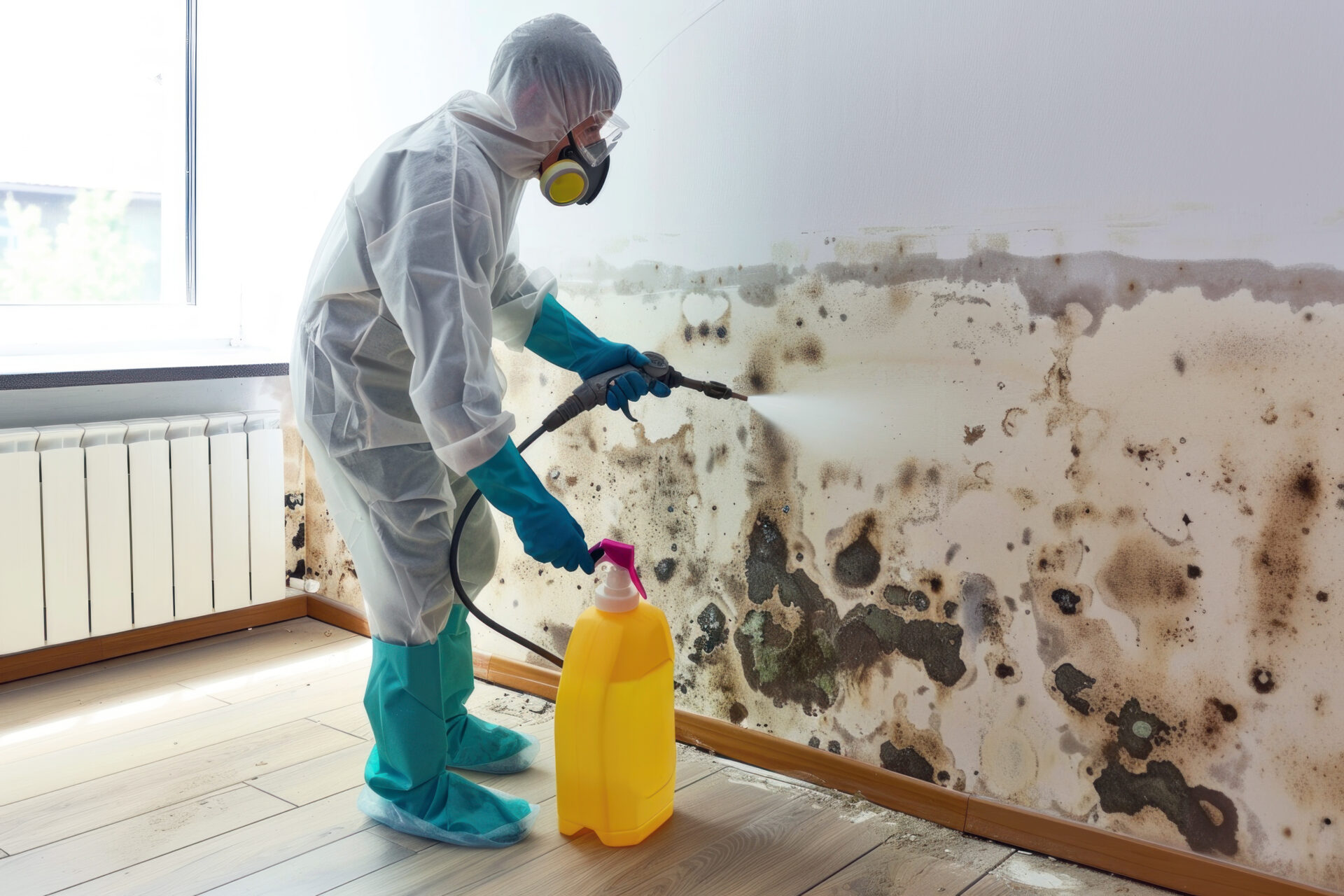
Mold growth is one of the most common and underestimated issues homeowners face. It often starts small – hidden behind walls, under flooring, or in damp basements – but can quickly spread if left untreated. Beyond damaging your property, mold can also impact indoor air quality and overall health.
Understanding when and how to address mold is essential, especially in areas like Utah, Sandy UT, and Salt Lake City UT, where seasonal moisture, snowmelt, and plumbing issues can create ideal conditions for mold growth. Working with a trained restoration specialist who provides professional mold removal services ensures that the problem is handled safely and completely.
What Is Mold and Why Does It Grow?
Mold is a type of fungus that thrives in moist environments. It reproduces through microscopic spores that travel through the air and settle on damp surfaces.
Common conditions that promote mold growth include:
- Water leaks or flooding
- High indoor humidity
- Poor ventilation
- Condensation buildup
- Untreated water damage
Mold can begin developing within 24 to 48 hours after moisture exposure, which is why fast action is critical.
Common Signs You Need Mold Removal Services
Mold isn’t always visible. In many cases, it grows in hidden areas, making early detection difficult. However, there are warning signs homeowners should never ignore.
1. Persistent Musty Odor
A strong, earthy smell is often the first indication of mold growth. This odor is typically caused by mold spores releasing gases as they grow.
2. Visible Mold Spots
Mold can appear in different colors, including:
- Black
- Green
- White
- Gray
It may grow on walls, ceilings, baseboards, or around windows.
3. Water Damage or Stains
Discoloration on walls or ceilings often signals moisture problems, which can lead to mold growth if not addressed quickly.
4. Increased Allergy Symptoms
Exposure to mold can cause:
- Sneezing
- Coughing
- Eye irritation
- Headaches
Poor indoor air quality is a major concern in homes with mold.
5. Peeling Paint or Warped Surfaces
Moisture behind walls can cause surfaces to bubble, crack, or warp – often indicating hidden mold growth.
Why Mold Removal Is Important
Ignoring mold can lead to serious consequences for both your home and your health.
Structural Damage
Mold feeds on organic materials like wood and drywall. Over time, this can weaken structural components of your home.
Health Risks
According to the Centers for Disease Control and Prevention (CDC), mold exposure can trigger respiratory issues, especially in individuals with allergies or asthma.
Rapid Spread
Mold spreads quickly. What starts as a small patch can expand throughout your home in a matter of days if moisture is not controlled.
Decreased Property Value
Homes with mold issues are often harder to sell and may require remediation before closing.
The Professional Mold Removal Process
Hiring a professional restoration specialist ensures that mold is removed safely and effectively. Here’s what the process typically looks like:
1. Inspection and Assessment
Specialists begin by identifying the source of moisture and assessing the extent of mold growth.
Tools used may include:
- Moisture meters
- Thermal imaging cameras
- Air quality testing equipment
2. Containment of Affected Areas
To prevent mold spores from spreading, professionals isolate the affected areas using:
- Plastic barriers
- Negative air pressure systems
3. Air Filtration
High-efficiency air scrubbers and HEPA filters are used to capture airborne mold spores and improve indoor air quality.
4. Mold Removal and Cleaning
Specialists remove contaminated materials and clean affected surfaces using antimicrobial treatments.
This may involve:
- Removing drywall or insulation
- Scrubbing and disinfecting surfaces
- Treating surfaces to prevent regrowth
5. Drying and Dehumidification
Eliminating moisture is essential to prevent mold from returning. Professionals use industrial drying equipment to ensure all areas are completely dry.
6. Restoration and Repairs
After mold removal, damaged materials are repaired or replaced to restore the home.
This may include:
- Replacing drywall
- Painting
- Flooring repair
Mold Problems in Utah Homes
Homes in Utah, Sandy UT, and Salt Lake City UT face unique mold risks due to climate and environmental conditions.
Seasonal Moisture
Snow and ice buildup during winter can lead to leaks and moisture intrusion as temperatures fluctuate.
Basement Vulnerability
Many homes in Utah have basements, which are more prone to moisture and poor ventilation.
Plumbing Issues
Older plumbing systems can develop slow leaks that go unnoticed, creating ideal conditions for mold.
Because of these factors, professional Utah home restoration and Utah disaster restoration services are essential for long-term protection.
DIY Mold Removal vs Professional Services
While small surface mold can sometimes be cleaned with household products, larger infestations require professional attention.
DIY May Work For:
- Small, isolated areas
- Non-porous surfaces
Professional Help Is Needed For:
- Mold covering large areas
- Hidden mold behind walls
- Mold caused by water damage
- Recurring mold problems
Professional mold removal services ensure complete removal and prevent future growth.
How to Prevent Mold Growth
Preventing mold starts with controlling moisture in your home.
Key Prevention Tips:
- Fix leaks immediately
- Use dehumidifiers in damp areas
- Improve ventilation in bathrooms and kitchens
- Clean and maintain gutters
- Inspect your home regularly for signs of water damage
Preventative steps are especially important in areas like Salt Lake City UT and Sandy UT, where seasonal changes can increase moisture risks.
When to Call a Restoration Specialist
You should contact a professional if you notice:
- Persistent musty odors
- Visible mold growth
- Water damage that hasn’t been properly dried
- Health symptoms linked to indoor air quality
- Mold returning after cleaning
A trained restoration specialist can identify the root cause and ensure proper remediation.
FAQ: Mold Removal and Home Safety
How quickly does mold grow after water damage?
Mold can begin growing within 24 to 48 hours after moisture exposure.
Is mold dangerous to health?
Yes. Mold can affect indoor air quality and cause respiratory issues, especially for sensitive individuals.
Can mold come back after removal?
Yes, if the underlying moisture problem is not fixed. Proper drying and prevention are essential.
How long does mold removal take?
It depends on the severity. Small issues may take a few days, while larger infestations can take longer.
Does insurance cover mold removal?
Coverage depends on the cause. Mold resulting from sudden damage (like a burst pipe) may be covered.
Conclusion
Mold is more than just a cosmetic issue – it can affect your home’s structure, indoor air quality, and overall safety. Acting quickly at the first signs of mold can prevent costly damage and health risks.
Working with a professional restoration specialist ensures that mold is removed safely and thoroughly. For homeowners in Utah, Sandy UT, and Salt Lake City UT, expert mold removal services and Utah disaster restoration services provide the support needed to restore homes and maintain a healthy living environment.
If you suspect mold in your home, don’t wait – early action is the key to effective and long-lasting results.