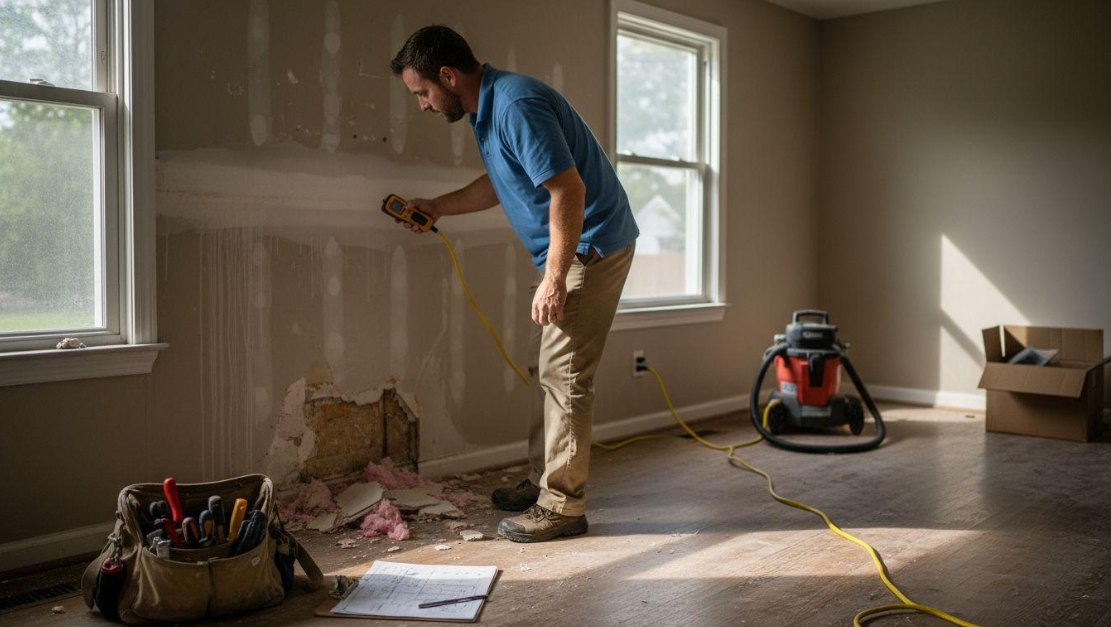
Not all home damage is obvious. Some of the most expensive restoration projects begin with small warning signs that homeowners barely notice, slight discoloration on a wall, a faint musty odor, or a floor that feels just a little softer than usual.
The problem is that hidden damage spreads quietly. Water moves behind drywall, smoke particles settle into insulation, and mold grows in dark, damp spaces long before visible signs appear. By the time the issue becomes noticeable, repairs are often much more extensive.
That’s why homeowners rely on a trained restoration specialist. Professional restoration is not just about fixing visible damage, it’s about detecting problems early before they threaten the safety and structure of the home.
This guide explains the hidden types of damage restoration professionals commonly find and why early detection is critical for proper Utah home restoration.
Why Hidden Damage Is So Dangerous
Hidden damage continues to spread even when everything appears normal on the surface. Moisture trapped behind walls can weaken structural materials. Smoke residue can corrode surfaces over time. Small mold colonies can affect indoor air quality before visible growth appears.
Many homeowners delay calling professionals because the issue “doesn’t seem serious yet.” Unfortunately, hidden damage rarely improves on its own.
Professional restoration specialists use specialized tools and inspection methods designed to detect issues before they become major structural repairs.
Hidden Water Damage Behind Walls and Floors
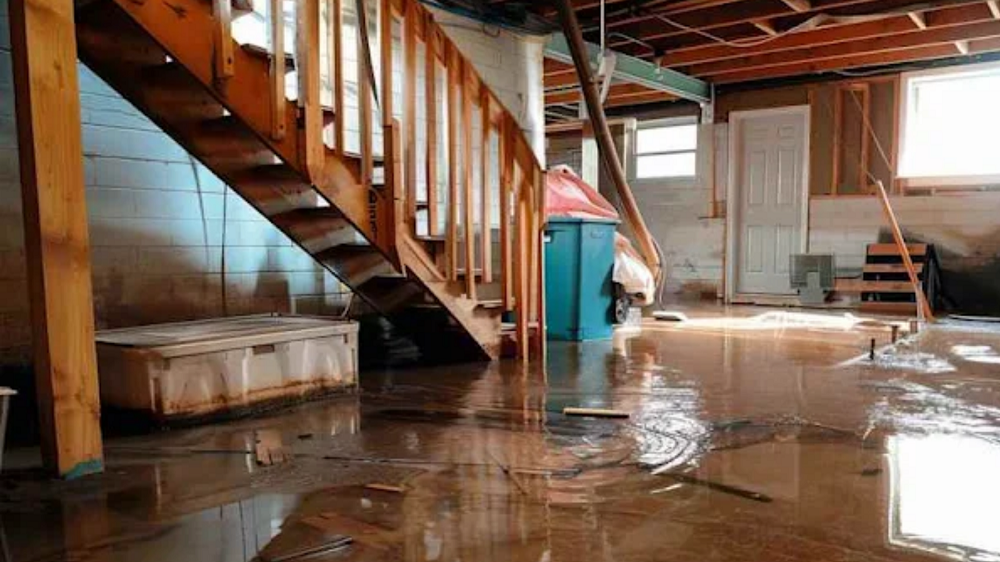
Water is one of the most destructive forces inside a home because it travels silently. A small leak behind drywall may continue for weeks without visible signs.
Over time, hidden moisture can:
- weaken wood framing,
- damage insulation,
- warp flooring,
- and trigger mold growth.
Professional Utah home restoration teams use thermal imaging cameras and moisture meters to locate trapped water inside walls, ceilings, and subfloors.
Common warning signs include:
- bubbling paint,
- soft drywall,
- unexplained odors,
- or slight discoloration near ceilings and baseboards.
Even minor leaks should be inspected early before they spread into larger restoration issues.

Mold Growth in Basements and Attics
Mold is another problem that often remains hidden until it becomes widespread.
Basements are especially vulnerable because they trap humidity and moisture. Attics frequently develop mold due to poor ventilation or roof leaks.
A restoration specialist looks for:
- hidden condensation,
- damp insulation,
- dark staining on framing,
- and areas with restricted airflow.
Professional basement mold remediation and attic mold remediation services focus not only on removing mold, but also identifying the moisture source causing it.
Without correcting the underlying issue, mold usually returns.
Smoke and Soot Damage After Small Fires
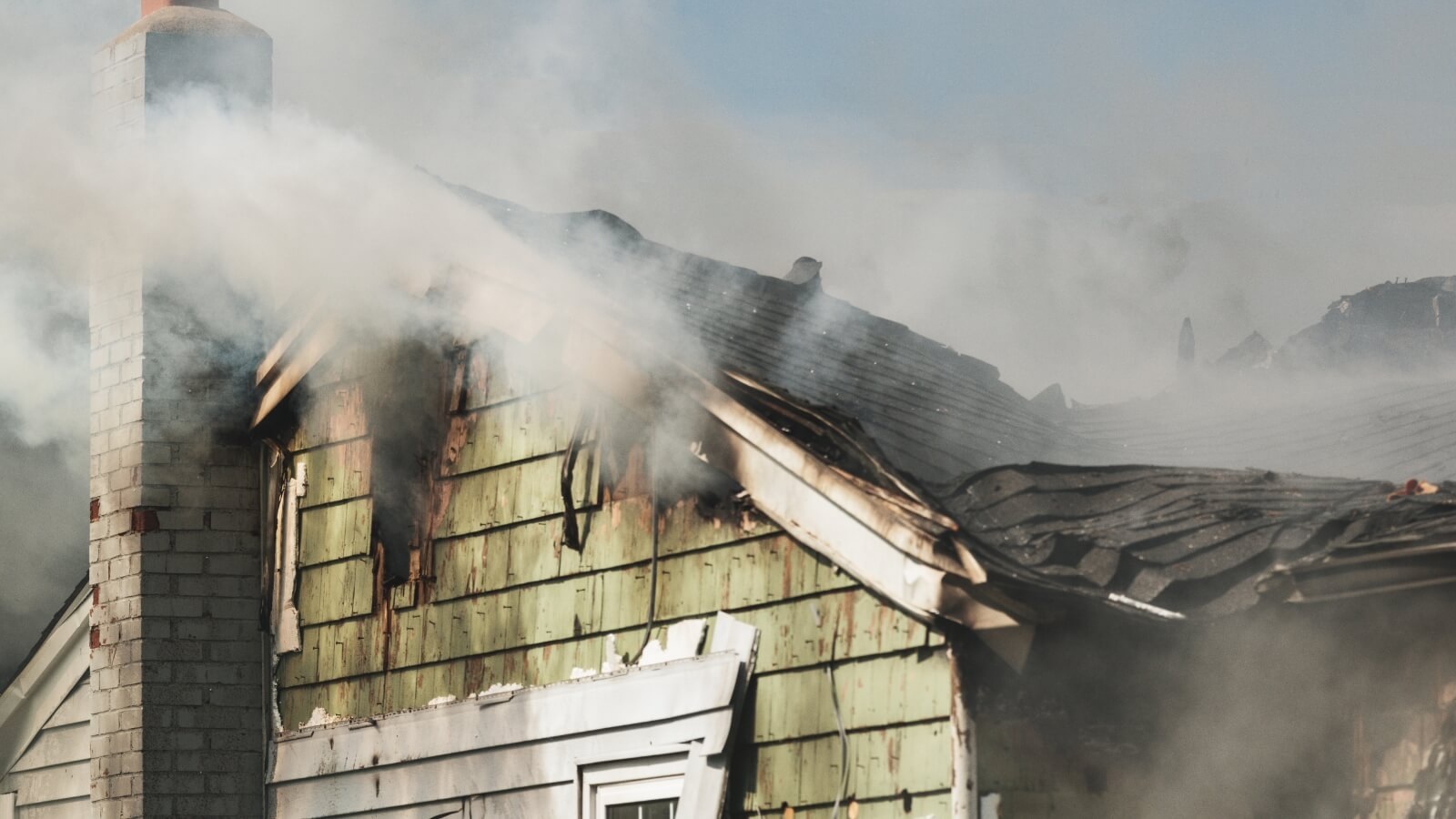
Many homeowners underestimate smoke damage after a fire. Even if flames were limited to one room, smoke particles spread throughout the property through vents and air movement.
Hidden smoke damage often affects:
- insulation,
- HVAC systems,
- attic spaces,
- fabrics,
- and electrical components.
Over time, soot residue becomes acidic and can permanently damage surfaces.
Experienced fire damage restoration experts inspect areas homeowners rarely consider, including ventilation systems and hidden cavities behind walls.
Professional fire damage restoration service ensures smoke contamination is fully removed, not just cleaned from visible surfaces.
Structural Weakness After Water or Fire Events
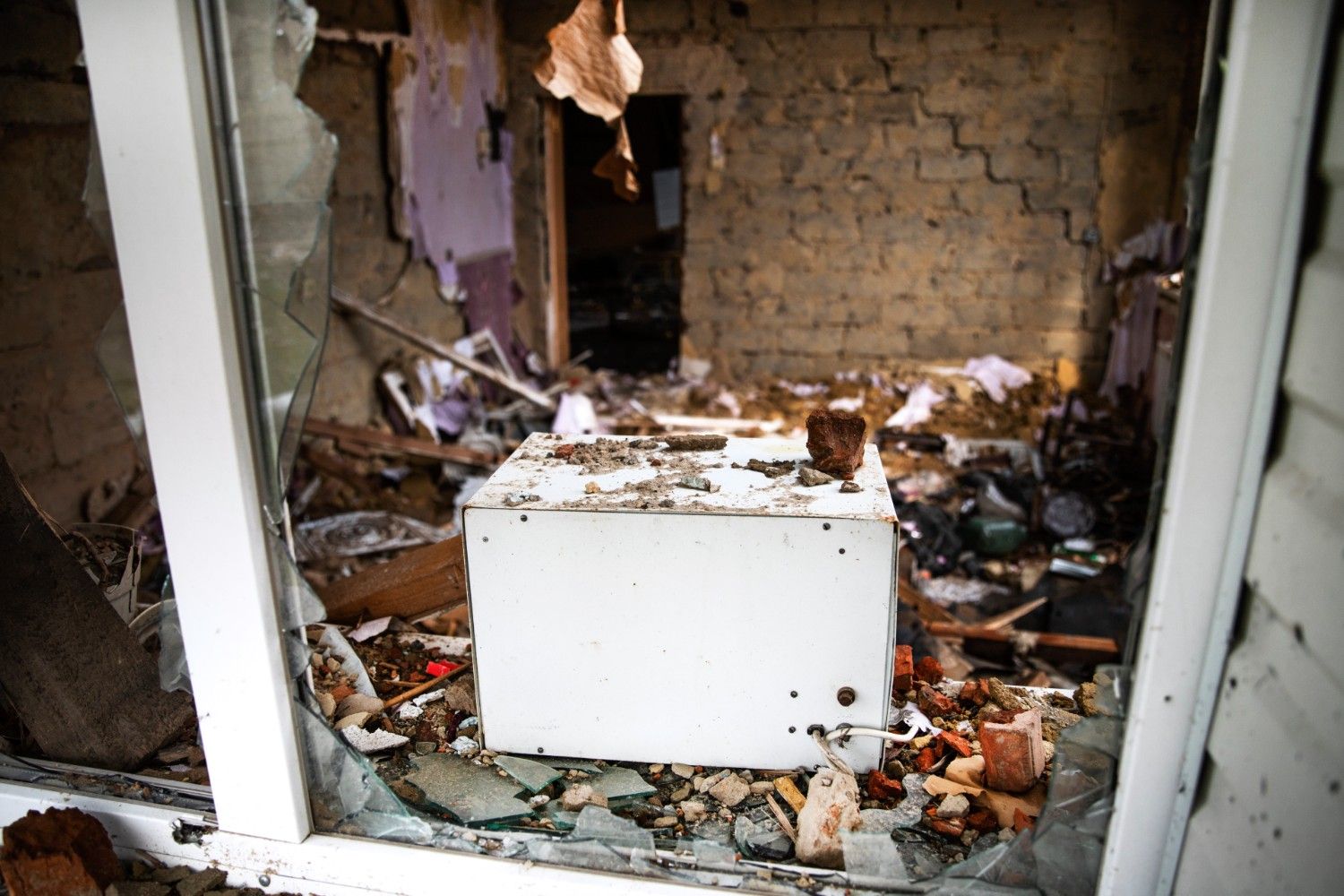
One of the biggest risks after home damage is structural weakening that cannot be seen immediately.
Moisture exposure causes wood to deteriorate slowly. Heat from fires can weaken framing and support materials even when surfaces appear intact.
Signs a restoration specialist may identify include:
- sagging ceilings,
- uneven flooring,
- cracked drywall,
- or shifting door frames.
Detecting these problems early is essential for safe and complete Utah home restoration.
Hidden Damage Inside HVAC Systems
HVAC systems often spread contamination throughout a home without homeowners realizing it.
After water, mold, or smoke damage, duct systems may contain:
- moisture,
- mold spores,
- soot particles,
- or lingering odors.
Without professional inspection, contaminated airflow continues circulating through the property.
Restoration specialists frequently inspect ductwork during major restoration projects to ensure indoor air quality is fully restored.

Why DIY Inspections Miss Hidden Damage
Most hidden damage requires specialized tools to detect properly. Surface cleaning or visual inspections alone rarely identify the full extent of a problem.
Professional restoration specialists use:
- moisture mapping equipment,
- infrared thermal imaging,
- air quality testing,
- and structural assessment tools.
These technologies allow professionals to detect damage before it becomes visible to homeowners.
The Cost of Waiting Too Long
Hidden damage becomes significantly more expensive over time.
A minor leak may eventually require:
- flooring replacement,
- mold remediation,
- drywall removal,
- or structural reconstruction.
Similarly, untreated smoke damage can permanently stain materials and create long-term odor issues.
Early detection is one of the biggest advantages of hiring a professional restoration specialist quickly after any water, fire, or mold event.
Signs You Should Schedule a Professional Inspection
Homeowners should consider professional inspection if they notice:
- persistent musty smells,
- unexplained staining,
- increased indoor humidity,
- smoke odors after a fire,
- warped flooring,
- or recurring allergy symptoms indoors.
These subtle signs often indicate deeper problems hidden behind surfaces.
A trained restoration professional can determine whether the issue requires immediate restoration or preventative repairs.

Why Early Restoration Protects Property Value
Homes with unresolved water, fire, or mold damage often lose value over time. Hidden issues may also complicate future inspections or insurance claims.
Complete Utah home restoration protects:
- structural integrity,
- indoor air quality,
- energy efficiency,
- and long-term resale value.
The sooner hidden damage is detected, the easier and less invasive restoration becomes.
Conclusion
The most serious home damage is often the kind you cannot immediately see. Water behind walls, mold in attic insulation, smoke contamination in vents, and weakened structural materials continue spreading long after the original event occurs.
A professional restoration specialist is trained to identify these hidden issues early using advanced tools and inspection methods. Whether the problem begins with water, fire, or mold, fast action protects both your home and your long-term repair costs.
Proper Utah home restoration is not just about repairing visible damage, it’s about finding the problems homeowners miss before they become major emergencies.