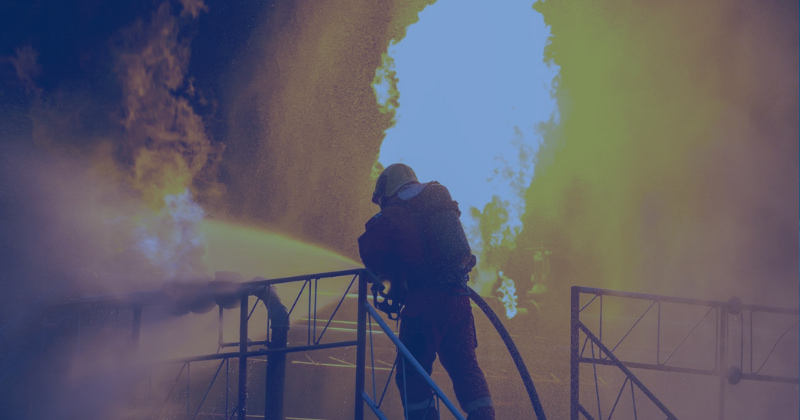
A house fire is one of the most devastating experiences a homeowner can face. Even after the flames are extinguished, the damage left behind can feel overwhelming. Smoke, soot, water from firefighting efforts, and structural issues all combine to create a complex cleanup process.
Understanding what comes next is essential. Knowing how fire damage cleanup works, and what to expect from a professional restoration specialist, can help homeowners take the right steps toward recovery.
For homeowners in Utah, Sandy UT, and Salt Lake City UT, fast and professional response is critical to minimizing long-term damage and restoring the property safely.
What Happens Immediately After a Fire?
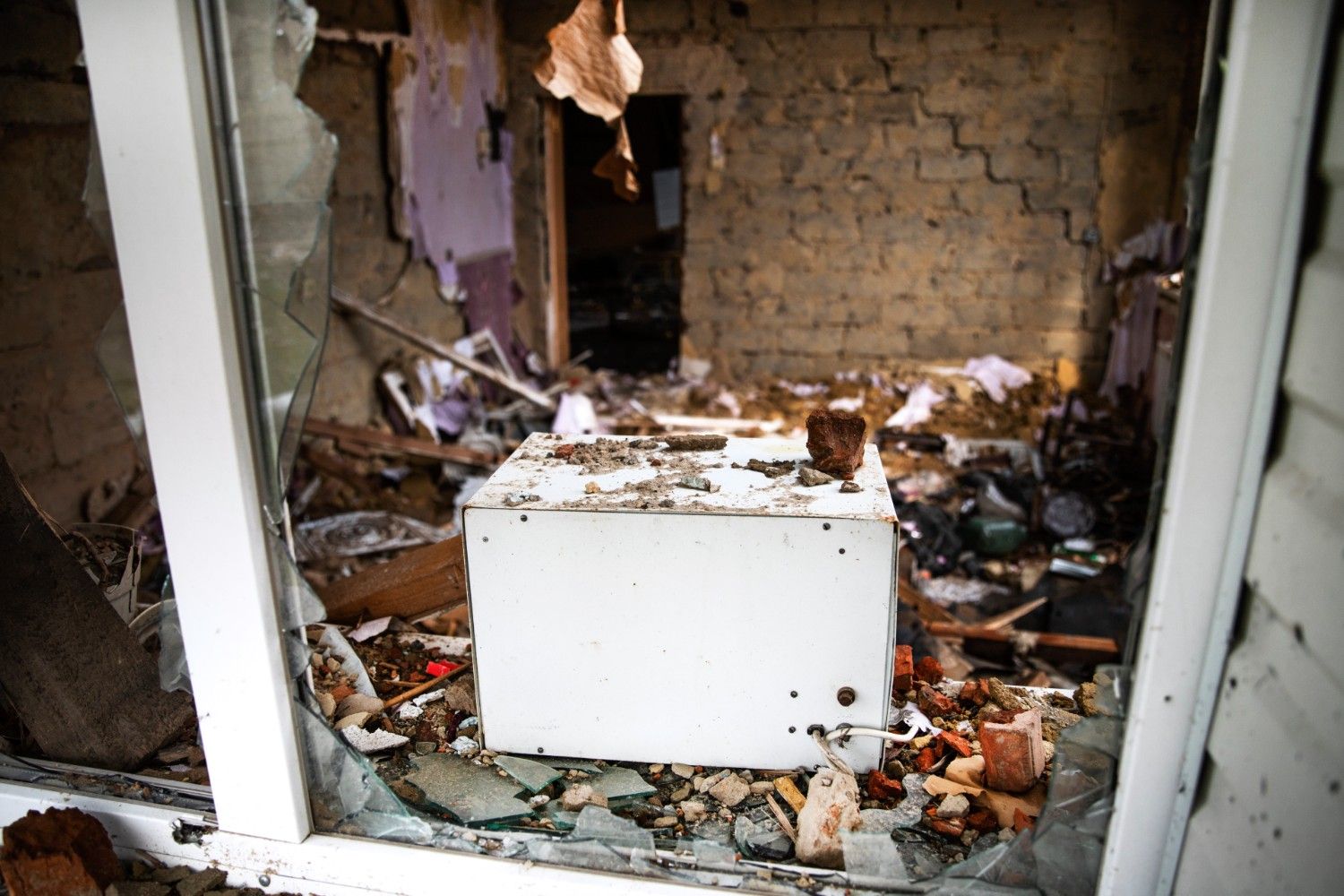
Once the fire department leaves, the property is often left in a fragile and hazardous condition. While the fire may be out, the damage continues.
Common post-fire conditions include:
- Burned or weakened structural materials
- Smoke and soot covering surfaces
- Water saturation from firefighting efforts
- Lingering odors throughout the home
At this stage, contacting a professional for emergency restoration services is essential to prevent further deterioration.
Why Fire Damage Cleanup Requires Professionals
Fire damage is not just about visible destruction. It involves multiple layers of damage that require specialized knowledge and equipment.
A trained restoration specialist understands how to:
- Safely assess structural integrity
- Remove hazardous debris
- Clean smoke and soot residue
- Eliminate odors
- Restore indoor air quality
Attempting to clean fire damage without proper tools can spread soot, worsen staining, and expose occupants to harmful particles.
The Fire Damage Cleanup Process
Professional Utah disaster restoration services follow a structured approach to ensure thorough and safe restoration.
1. Inspection and Damage Assessment
The first step is a detailed inspection of the property. Restoration specialists evaluate:
- Structural safety
- Extent of fire, smoke, and water damage
- Areas requiring immediate attention
Advanced tools help identify hidden damage behind walls and ceilings.
2. Securing the Property
To prevent further damage or unauthorized access, professionals secure the home by:
- Boarding up broken windows
- Installing temporary doors
- Tarping damaged roofs
This step protects the property from weather exposure and vandalism.
3. Water Removal and Drying
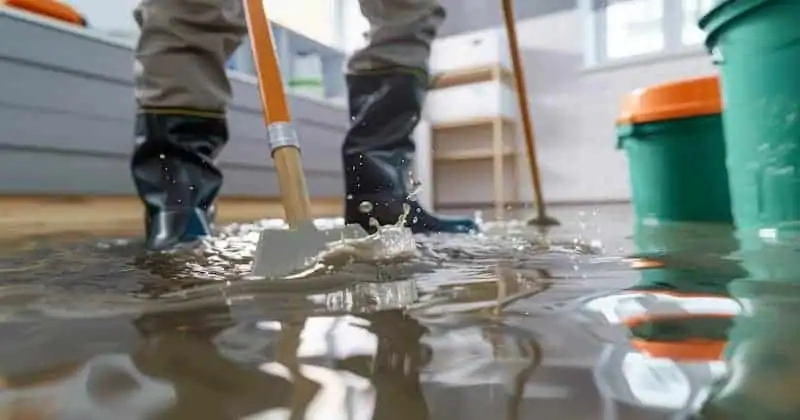
Water used to extinguish the fire can cause additional damage if not removed quickly.
Restoration teams use:
- Industrial water extractors
- Air movers
- Dehumidifiers
Proper drying prevents mold growth and structural weakening. This step often overlaps with water damage restoration services.
4. Smoke and Soot Removal
Smoke and soot can spread throughout the entire property, even in areas untouched by flames.
Cleanup involves:
- Cleaning walls, ceilings, and surfaces
- Using specialized chemicals to break down soot
- Removing residue from furniture and belongings
Different types of soot require different cleaning methods, making professional expertise essential.
5. Odor Removal and Air Purification
Smoke odors can linger long after visible damage is cleaned.
Restoration specialists use advanced techniques such as:
- Thermal fogging
- Ozone treatments
- HEPA air filtration
These methods neutralize odors rather than simply masking them.
6. Cleaning and Sanitizing
All salvageable items are cleaned and disinfected.
This includes:
- Furniture
- Carpets
- Personal belongings
Proper sanitization ensures the home is safe for occupants.
7. Repairs and Reconstruction
The final step is restoring the home to its original condition.
This may involve:
- Replacing drywall and insulation
- Repairing flooring
- Rebuilding structural components
- Painting and finishing
Many Utah home restoration companies provide full reconstruction services for a seamless process.
Types of Fire Damage Homeowners Should Know
Direct Fire Damage
This includes burned materials, structural damage, and areas directly impacted by flames.
Smoke Damage
Smoke can travel throughout the home, leaving behind residue and odors even in unaffected rooms.
Soot Damage
Soot is a fine, black residue that can stain surfaces and damage materials if not cleaned properly.
Water Damage
Water used during firefighting can lead to additional issues, including mold growth and structural damage.
How Long Does Fire Damage Cleanup Take?
The timeline for fire damage cleanup depends on several factors:
- Severity of the fire
- Size of the property
- Extent of smoke and water damage
- Required repairs
Minor damage may take a few days to clean, while major fires can require several weeks for full restoration.
Fire Damage Cleanup for Businesses
Businesses affected by fire often require immediate restoration to minimize downtime.
Commercial water damage restoration and fire cleanup services help businesses:
- Restore operations quickly
- Protect inventory and equipment
- Reduce financial losses
Fast response is critical to business continuity.
What Homeowners Should Do After a Fire
Taking the right steps after a fire can make the recovery process smoother.
Ensure Safety
Do not re-enter the property until it has been declared safe.
Contact Your Insurance Provider
Report the damage and begin the claims process.
Document the Damage
Take photos and videos for insurance purposes.
Avoid DIY Cleanup
Fire damage cleanup requires professional equipment and expertise.
Call a Restoration Specialist
A professional restoration specialist can begin the cleanup and restoration process immediately.
Preventing Future Fire Damage
While not all fires can be prevented, homeowners can reduce risk by:
- Installing smoke detectors
- Maintaining electrical systems
- Avoiding overloaded outlets
- Keeping fire extinguishers accessible
- Practicing fire safety plans
Preventative measures can significantly reduce the risk of severe damage.
FAQ: Fire Damage Cleanup
How soon should fire damage cleanup begin?
Cleanup should begin as soon as the property is safe to enter. Quick action helps prevent further damage and reduces restoration costs.
Is smoke damage dangerous?
Yes, smoke residue can contain harmful particles. Proper cleaning and air purification are necessary to restore safe indoor air quality.
Can I clean fire damage myself?
Small surface cleaning may be possible, but full cleanup requires professionals. Improper cleaning can spread soot and worsen damage.
Does insurance cover fire damage restoration?
Most homeowner insurance policies cover fire damage. Coverage depends on your policy and the cause of the fire.
How do professionals remove smoke odor?
Experts use advanced methods like ozone treatment and thermal fogging. These techniques eliminate odors at the source.
Conclusion
Recovering from a fire can feel overwhelming, but understanding the cleanup process makes it easier to take the right steps. Professional fire damage cleanup ensures that your home is restored safely, thoroughly, and efficiently.
For homeowners in Utah, Sandy UT, and Salt Lake City UT, working with a trusted restoration specialist provides peace of mind during a difficult time. From emergency response to full reconstruction, expert utah disaster restoration services help bring your home back to life.
When fire damage occurs, acting quickly is the key to minimizing loss and starting the path to recovery.