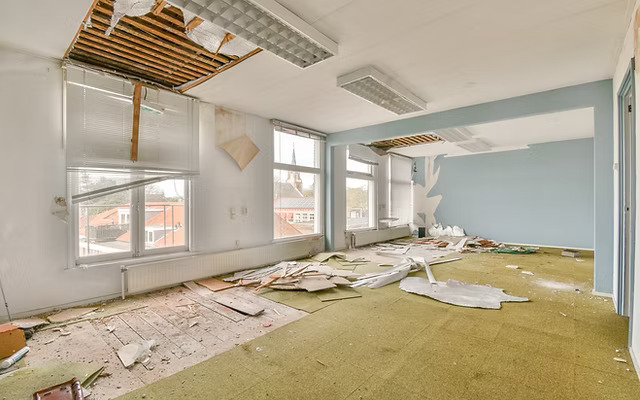
When disaster hits a home, it rarely affects just one area. A pipe burst might seem like a simple water issue, but within days it can turn into mold growth behind walls. A small kitchen fire might leave no visible flames, yet smoke particles can travel throughout the entire house.
That’s why complete Utah home restoration isn’t about patching visible damage. It’s about identifying every affected system in the property and restoring it safely and thoroughly.
Whether the issue involves water, fire, or mold, working with a qualified restoration specialist ensures your home is returned to a stable and livable condition.
Water Damage: Where Most Restoration Projects Begin
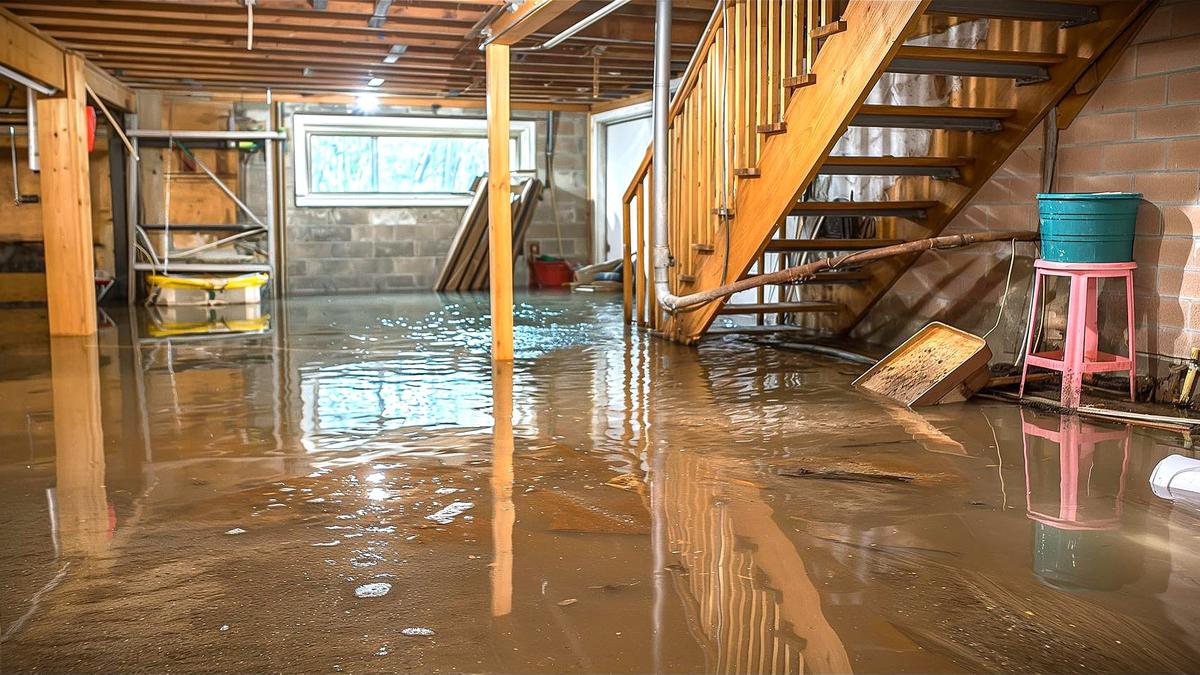
In Utah, water damage is the most common starting point for major restoration work. Freezing winter temperatures lead to burst pipes. Spring snowmelt causes basement seepage. Sudden storms overwhelm drainage systems.
Water moves quickly through a structure. It spreads into drywall, insulation, flooring, and framing long before it’s visible. If not professionally dried, it creates structural weakening and mold growth.
Professional water damage restoration in Salt Lake City focuses on more than just removing standing water. Specialists use moisture detection tools to find hidden damp areas that would otherwise go unnoticed.
For businesses, the stakes are even higher. Commercial water damage restoration is designed to reduce downtime while protecting inventory, equipment, and safety standards.
Fire Damage: The Impact Goes Beyond the Flames
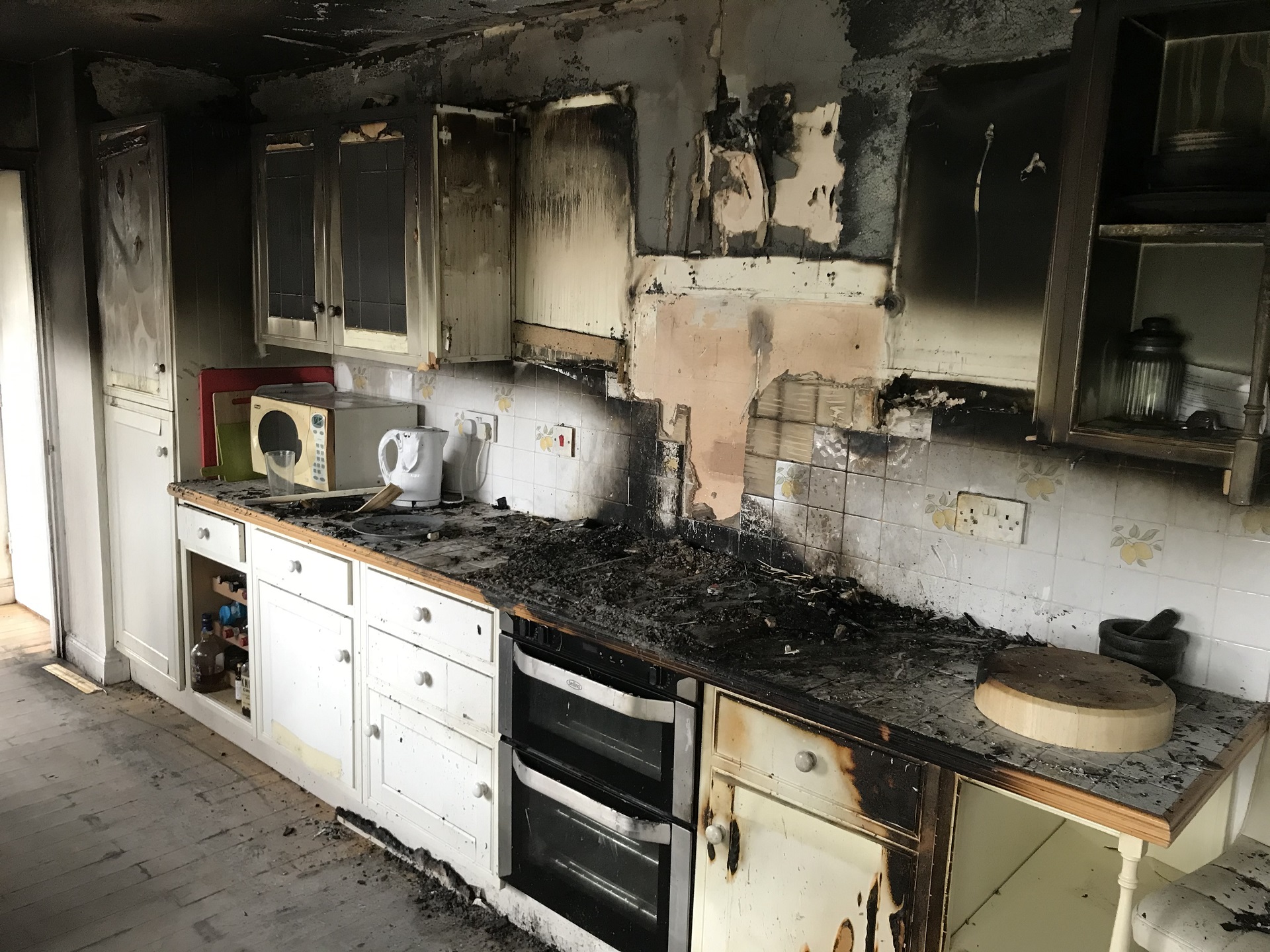
Many homeowners underestimate how far fire damage spreads. Even if flames are contained to one room, smoke and soot particles travel through vents and settle in areas untouched by fire.
A certified fire damage restoration service addresses structural damage, smoke residue, odor removal, and water left behind from firefighting efforts.
Smoke particles are acidic. If not removed properly, they continue to stain and corrode surfaces over time. That’s why experienced fire damage restoration experts focus on complete cleaning, air filtration, and material replacement when necessary.
Working with local fire damage restoration experts also ensures faster response times, which is critical during the first 24-48 hours.
Mold: The Hidden Consequence of Water and Fire
Mold is often the secondary issue that appears after water or fire damage. When moisture lingers in walls, ceilings, or insulation, mold can develop quietly and spread quickly.
Basements are especially vulnerable due to poor ventilation and groundwater seepage. Professional basement mold remediation includes containment, removal of contaminated materials, and moisture correction to prevent recurrence.
Attics are another common problem area. Roof leaks or condensation buildup often require professional attic mold remediation services to address hidden growth in rafters and insulation.
True mold remediation in Utah goes beyond cleaning visible spots. It involves correcting the moisture source, improving airflow, and restoring affected materials safely.
Why Complete Restoration Requires Coordination
One of the biggest mistakes homeowners make is treating each problem separately. A contractor may repair drywall without addressing moisture. A cleaner may remove soot without inspecting ventilation systems.
A trained restoration specialist looks at the entire structure holistically. They assess:
- Structural stability
- Moisture levels
- Air quality
- Contamination spread
- Long-term safety risks
This coordinated approach is what defines full Utah home restoration, not just repairs, but complete recovery.
The Restoration Process: What Actually Happens
A comprehensive restoration project typically follows a structured sequence:
First, the property is inspected to determine the full extent of damage. Advanced equipment detects hidden moisture or smoke contamination.
Next comes emergency mitigation, stopping further damage through water extraction, board-ups, or containment.
Then the affected materials are cleaned, dried, or safely removed. This may include smoke removal, mold containment, or structural drying.
Finally, repairs are completed to return the home to its original condition.
By handling everything under one restoration plan, homeowners avoid recurring issues and unnecessary costs.
Residential and Commercial Considerations
Restoration needs differ between homes and businesses. Commercial properties often require larger-scale equipment, faster turnaround, and compliance with safety regulations.
Experienced teams handling commercial water damage restoration understand the urgency involved in getting operations back online safely.
Regardless of property type, the key is acting quickly and relying on trained professionals.
When to Call for Professional Help
Not every leak or stain is an emergency. But you should contact a restoration professional if you notice:
- Persistent moisture or standing water
- Strong smoke odors
- Visible mold growth
- Warped floors or ceilings
- Soot staining
- Health symptoms after water or fire events
Early action prevents small problems from becoming major structural repairs.
Protecting Your Property Long-Term
After restoration is complete, prevention becomes the priority. Regular plumbing inspections, roof maintenance, proper drainage, and humidity control can significantly reduce the risk of future damage.
Utah’s climate makes seasonal preparation especially important. Addressing small issues early can prevent the need for extensive restoration later.
Conclusion
From water damage to fire recovery to mold remediation, complete restoration requires experience, coordination, and attention to detail.
True Utah home restoration is not about fixing what you see, it’s about protecting the integrity of your entire property.
Whether the issue begins with flooding, smoke, or hidden mold, working with a qualified restoration specialist ensures your home is restored safely and thoroughly.