Basement mold is one of the most common, and most overlooked, home problems in Utah. Because basements are often out of sight and used for storage, early mold growth can go unnoticed for weeks or even months. By the time homeowners realize there’s an issue, professional basement mold remediation is often required.
Understanding the early warning signs can help you act faster, reduce damage, and protect your home and health. This guide explains how basement mold starts, what signs to watch for, and when it’s time to consider professional mold remediation in Utah.
Why Basements Are Prone to Mold in Utah Homes
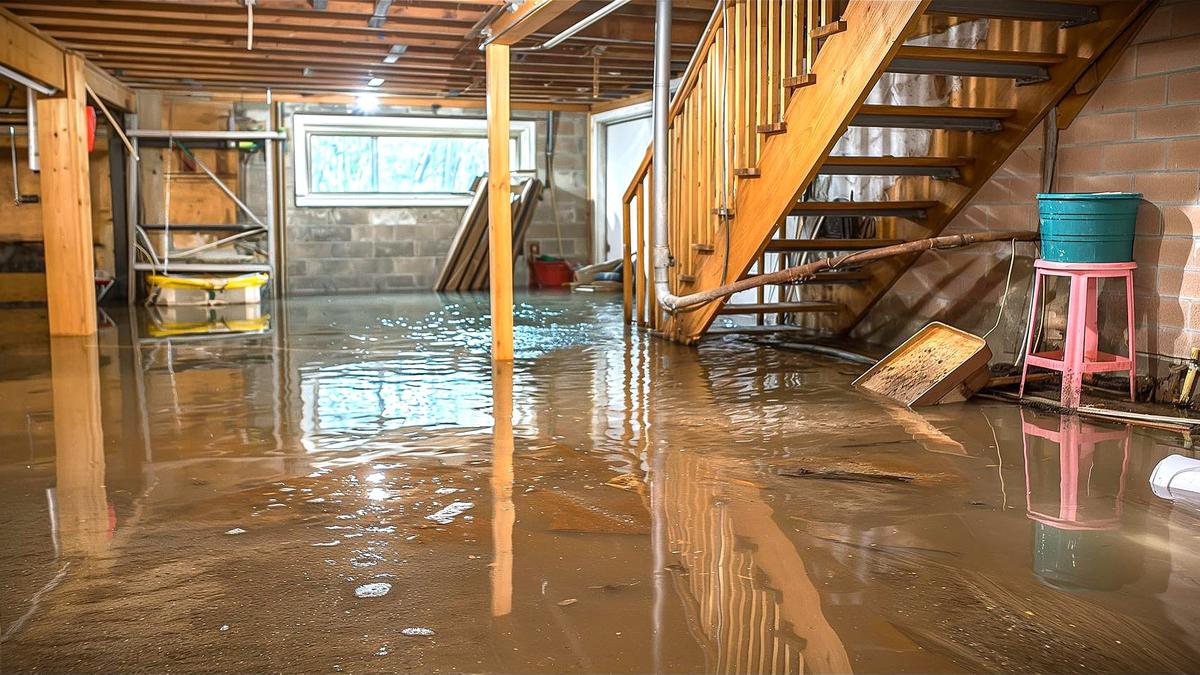
Many homeowners assume Utah’s dry climate prevents mold, but basements tell a different story. Below, ground spaces naturally retain moisture, and Utah’s seasonal conditions create ideal mold environments.
Common reasons basements develop mold include:
- Snowmelt seeping into foundations in spring
- Heavy rain overwhelming drainage systems
- Poor ventilation and trapped humidity
- Foundation cracks or window well leaks
- Past water damage that was never fully dried
Even small moisture issues can lead to mold growth within 24–48 hours, making early detection critical.
The Earliest Signs of Basement Mold
Mold doesn’t always appear as obvious black spots. In many cases, the first signs are subtle and easy to dismiss.
Musty or Earthy Odors
A persistent musty smell is often the first indicator of basement mold. Even if you don’t see mold, the odor usually means spores are present behind walls, under flooring, or in insulation.
This is one of the most common reasons homeowners later require professional mold removal in Utah.
Discoloration on Walls or Floors
Early mold growth may appear as:
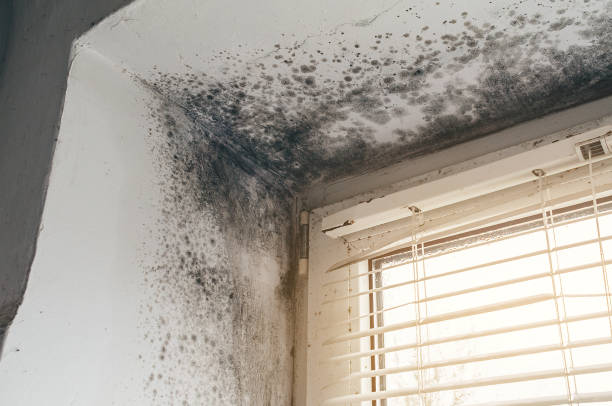
- Faint gray, green, or brown patches
- Uneven staining on drywall or concrete
- Dark spots near baseboards or corners
These areas often feel damp or cool to the touch, especially after rain or snowmelt.
Peeling Paint or Bubbling Drywall
When moisture builds up behind walls, paint may begin to peel, blister, or bubble. This is not just a cosmetic issue, it often signals hidden mold growth.
Basements with finished drywall are especially vulnerable and frequently require basement mold remediation once this stage is reached.
Increased Humidity or Condensation
If your basement feels damp year, round or you notice condensation on windows, pipes, or walls, mold conditions are likely present.
High humidity allows spores to grow even without visible leaks. Many Utah homeowners first discover mold after installing a dehumidifier and noticing persistent moisture problems.
Allergy, Like Symptoms Indoors
Mold exposure doesn’t always cause obvious illness, but common symptoms include:
- Sneezing or coughing while in the basement
- Headaches or sinus irritation
- Itchy eyes or throat
- Worsening asthma symptoms
If symptoms improve when you leave the basement, mold may be affecting your indoor air quality.
How Basement Mold Starts (Even Without Flooding)
One of the biggest misconceptions is that mold only follows major flooding. In reality, many basement mold cases start quietly.
Common triggers include:
- Slow plumbing leaks behind walls
- Minor foundation seepage
- Humid air trapped without ventilation
- Improper drying after past water damage
Once mold begins spreading into porous materials like drywall, carpet padding, or wood framing, professional mold remediation in Utah is usually necessary.
Why DIY Basement Mold Cleanup Often Fails
For small surface spots, homeowners sometimes attempt DIY cleanup. Unfortunately, this often makes the problem worse.
Reasons DIY mold removal is risky:
- Bleach does not eliminate mold roots
- Scrubbing releases spores into the air
- Hidden mold remains untreated
- Moisture sources are not addressed
Improper cleanup can spread mold to other parts of the home, increasing the scope and cost of future mold removal in Utah.
When Basement Mold Becomes a Serious Problem
Basement mold should be treated as a serious issue when:
- Mold covers more than 10 square feet
- Mold returns after repeated cleaning
- Growth spreads to walls, flooring, or insulation
- Odors persist despite dehumidification
- Health symptoms are present
At this point, certified basement mold remediation is the safest and most effective solution.
What Professional Basement Mold Remediation Involves
Professional mold remediation focuses on removal, containment, and prevention, not just surface cleaning.
A typical process includes:
- Inspection and moisture assessment
- Containment of affected areas
- HEPA air filtration to remove spores
- Safe removal of contaminated materials
- Deep cleaning and antimicrobial treatment
- Moisture control and drying
- Restoration of damaged areas
This approach ensures mold does not return and that indoor air quality is restored safely.
How to Prevent Basement Mold in Utah Homes
While not all mold can be prevented, these steps greatly reduce risk:
- Keep basement humidity below 50%
- Fix leaks immediately
- Install proper drainage around foundations
- Use window well covers
- Ensure proper ventilation
- Schedule inspections after water damage
Early prevention reduces the likelihood of needing extensive mold remediation in Utah later.
Why Early Action Matters
The earlier mold is addressed, the smaller the affected area and the lower the cost. Waiting allows mold to spread into structural materials, which increases remediation time and complexity.
Homeowners who act early often avoid major repairs and long, term indoor air quality issues.
Conclusion
Basement mold rarely appears overnight. It develops quietly, often hidden behind walls or under flooring, until odors, damage, or health symptoms force attention.
Knowing the early signs, musty smells, discoloration, humidity, and peeling surfaces, allows Utah homeowners to act before the problem escalates. When mold persists or spreads, professional basement mold remediation is the safest way to protect your home.
If you suspect mold, addressing it early through proper mold remediation in Utah and professional mold removal in Utah can save time, money, and unnecessary stress.