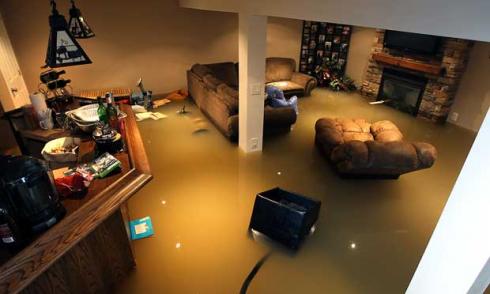
Basement flooding is one of the most stressful and costly home emergencies Utah homeowners face. Whether it’s caused by heavy rain, snowmelt, a burst pipe, or drainage failure, water can spread quickly and damage your flooring, drywall, furniture, and electrical systems.
If you live in Salt Lake City or anywhere along the Wasatch Front, you’ve likely seen how fast flooding can happen. That’s why knowing what to do in the first hour—and understanding when to call professionals—is essential. This guide explains the safest, fastest, and most effective steps for basement flood cleanup in Utah, and how flood cleanup Salt Lake City specialists can help protect your home from long-term damage.
Why Basement Flooding Is Common in Utah
Utah’s geography and climate create the perfect conditions for basement flooding:
- Rapid snowmelt sends water into foundations and window wells.
- Sudden rainstorms overwhelm gutters and sump pumps.
- Aging plumbing systems in older Salt Lake neighborhoods burst during temperature shifts.
- Clay-heavy soil around Utah homes holds moisture instead of draining it.
Because of these factors, demand for water damage restoration Salt Lake and Utah water damage cleanup continues to grow every season.
What to Do Immediately After Your Basement Flood
Flood cleanup starts the moment you discover water. The faster you act, the easier it is to reduce damage and protect your family.
1. Ensure Your Safety
Before entering the basement, check for:
- Electrical hazards
- Gas smells
- Structural damage
- Contaminated water (sewage, dirty floodwater)
If water is touching electrical outlets or appliances, do not enter. Call a professional immediately.
2. Stop the Water Source
Depending on the situation:
- Turn off the main water supply.
- Tighten or repair visible pipe leaks.
- Check gutters, downspouts, and sump pumps.
- If it’s storm-related, wait until conditions are safe.
Stopping the source early reduces the amount of basement water extraction Utah technicians need to perform.
3. Document the Damage
Take photos and videos before cleanup begins.
Insurance companies require proof, and experts in water damage restoration Salt Lake use these images to support your claim.
4. Remove Standing Water
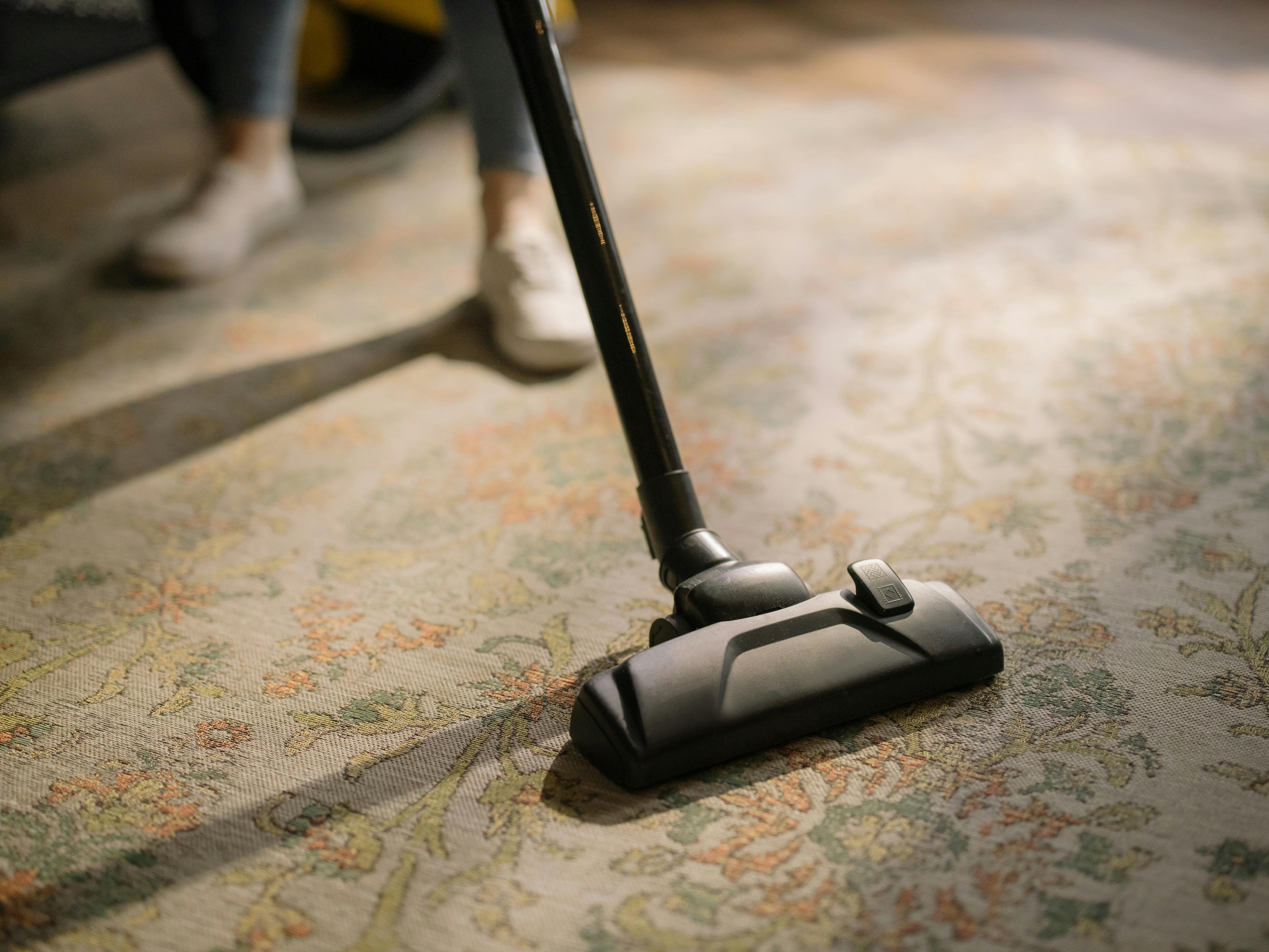
Small puddles can be cleaned with wet/dry vacs, but more than a few inches of water requires professional-grade pumps.
Calling flood cleanup Salt Lake City specialists ensures water is removed quickly and safely—especially if it’s contaminated.
5. Begin Drying Immediately
Mold can start growing in as little as 24–48 hours.
Professionals use:
- Industrial air movers
- Dehumidifiers
- Moisture meters
- Thermal imaging
This equipment dries your basement thoroughly, including areas you can’t see, such as inside walls and under flooring.
Why Professional Flood Cleanup Matters
DIY cleanup may work for very small leaks, but for basement flooding, hiring professionals is the safest option.
1. They Prevent Mold Growth
Flooded basements trap moisture in:
- Drywall
- Carpet and padding
- Insulation
- Wooden studs
Only certified experts can ensure full moisture removal so mold doesn’t spread.
2. They Detect Hidden Water Damage
Professionals offering water damage restoration Salt Lake use moisture sensors and infrared tools to find water behind walls, in flooring, and inside HVAC systems.
Hidden water is the biggest cause of long-term problems, and the reason homeowners need licensed specialists.
3. They Restore and Repair the Damage
A complete service includes:
- Water extraction
- Structural drying
- Sanitization
- Odor removal
- Mold prevention
- Rebuilding damaged walls or flooring
This is why many homeowners search for flood restoration Utah instead of general contractors—restoration experts handle everything from start to finish.
4. Insurance Claims Are Easier
Documenting water damage can be overwhelming.
Professional companies provide:
- Photo/video reports
- Moisture documentation
- Cleanup logs
- Repair estimates
- Direct communication with insurance adjusters
This makes your claim more likely to be approved.
What Causes Basement Flooding in Utah?
1. Storms and Heavy Rain
When gutters clog or drainage systems overflow, water flows directly into basements. This is when emergency flood cleanup Utah teams stay busiest.
2. Snowmelt
In Salt Lake City and surrounding counties, snowmelt runoff often leaks through foundation cracks or window wells.
3. Broken Pipes
Freezing temperatures cause pipe bursts in older homes and unfinished basements.
4. Sump Pump Failure
If your sump pump is outdated, overwhelmed, or loses power, your basement can flood within minutes.
How Long Does Basement Flood Cleanup Take
Cleanup time depends on the severity of the flooding:
- Minor flooding: 1–2 days
- Moderate flooding: 3–5 days
- Severe flooding: 1–2 weeks (includes structural repairs)
Companies specializing in water removal services Salt Lake City accelerate drying with industrial-grade technology unavailable to homeowners.
How to Prevent Basement Flooding in the Future
You can greatly reduce flood risk by maintaining:
- Clean gutters
- Proper drainage grading
- A working sump pump with battery backup
- Sealed foundation cracks
- Window well covers
- Regular plumbing inspections
Adding a flood sensor or moisture alarm provides early warnings and can save thousands in repairs.
Why Choose Pure Restoration Utah
Pure Restoration Utah offers fast, certified, and reliable storm and flood restoration across Salt Lake City and surrounding areas.
What you get:
- 24/7 emergency flood cleanup
- Fast water extraction and drying
- Mold prevention and sanitization
- Full home restoration and repair
- Insurance claim assistance
- Local Salt Lake City experts who understand Utah’s climate
Whether you’re dealing with a flooded basement after a storm or a burst pipe, our team ensures your home is restored safely and quickly.
Need Immediate Flood Cleanup? Contact Pure Restoration Utah Today.
Contact us now
Frequently Asked Questions
Q: Should I remove carpet after a basement flood?
A: In most cases, yes—carpet absorbs water quickly and breeds mold.
Q: How do I know if the flooding caused mold?
A: Musty odors, stains, or health symptoms are common signs. Professionals can test and eliminate mold.
Q: Does homeowners insurance cover basement flooding?
A: Storm and burst pipe flooding is usually covered; groundwater flooding may require additional coverage.
Q: Can I stay in the home during basement flood cleanup?
A: Yes, unless contamination or electrical hazards are present.