Introduction
Utah’s weather, landscape, and rapid seasonal changes make home damage more common than many people realize. But when something goes wrong, homeowners often ask the same question:
“Does this count as a home disaster?”
Understanding what qualifies as a home disaster helps you act quickly, file insurance claims properly, and know when to call a restoration specialist instead of trying to fix things on your own.
This guide breaks down the most common types of home disasters in Utah, and explains when you need professional Utah home restoration and Utah disaster restoration services to protect your home and your family.
What Is Considered a Home Disaster in Utah?
A home disaster is any sudden event that damages your home, disrupts your ability to live in it safely, or requires immediate restoration. In Utah, disasters fall into four major categories:
1. Water & Flood Damage
Water damage is one of the most common disasters in Utah, especially in Salt Lake, Davis, Weber, and Utah counties.
What causes it?
- Burst pipes during freezing temperatures
- Flooded basements from heavy rain or snowmelt
- Sewer backups
- Leaking appliances
- Sump pump failure
- Roof leaks from ice dams
Why it counts as a disaster
Water spreads fast. Within minutes it seeps into drywall, flooring, and insulation. Within 48 hours, mold begins to grow.
This always requires professional Utah home restoration services because DIY drying doesn’t remove hidden moisture.
When to call a restoration specialist
- Standing water in your home
- Soaked carpet or drywall
- Flooded basement
- Sewage smell or dirty water
- Water dripping from ceilings
A trained team provides advanced extraction, structural drying, sanitization, and mold prevention.
2. Fire & Smoke Damage
Even small fires create more damage than homeowners expect. Smoke travels through vents, insulation, and walls, leaving behind toxic residue.
What causes fire disasters in Utah?
- Kitchen fires
- Electrical issues
- Heating equipment
- Wildfire smoke
- Fireplace or chimney issues
Why it counts as a disaster
- Smoke residue is acidic and permanently stains surfaces
- Odor embeds into furniture, walls, and HVAC systems
- Soot contains harmful chemicals
- Fire can weaken the structure of the home
This requires immediate Utah disaster restoration services to remove damaged materials, clean soot, eliminate odor, and restore safety.
When to call a restoration specialist
- Visible soot on walls or ceilings
- Strong smoke smell
- Burn marks or melted fixtures
- Ash or debris inside the home
3. Mold Infestation
Utah’s climate may be dry, but mold is still a major problem, especially after water damage.
What causes mold disasters?
- Hidden leaks
- Flooded basements
- Poor ventilation
- Condensation in attics or crawlspaces
- Long-term moisture problems
Why it counts as a disaster
Mold spreads quickly and affects health, especially for children, seniors, and those with asthma.
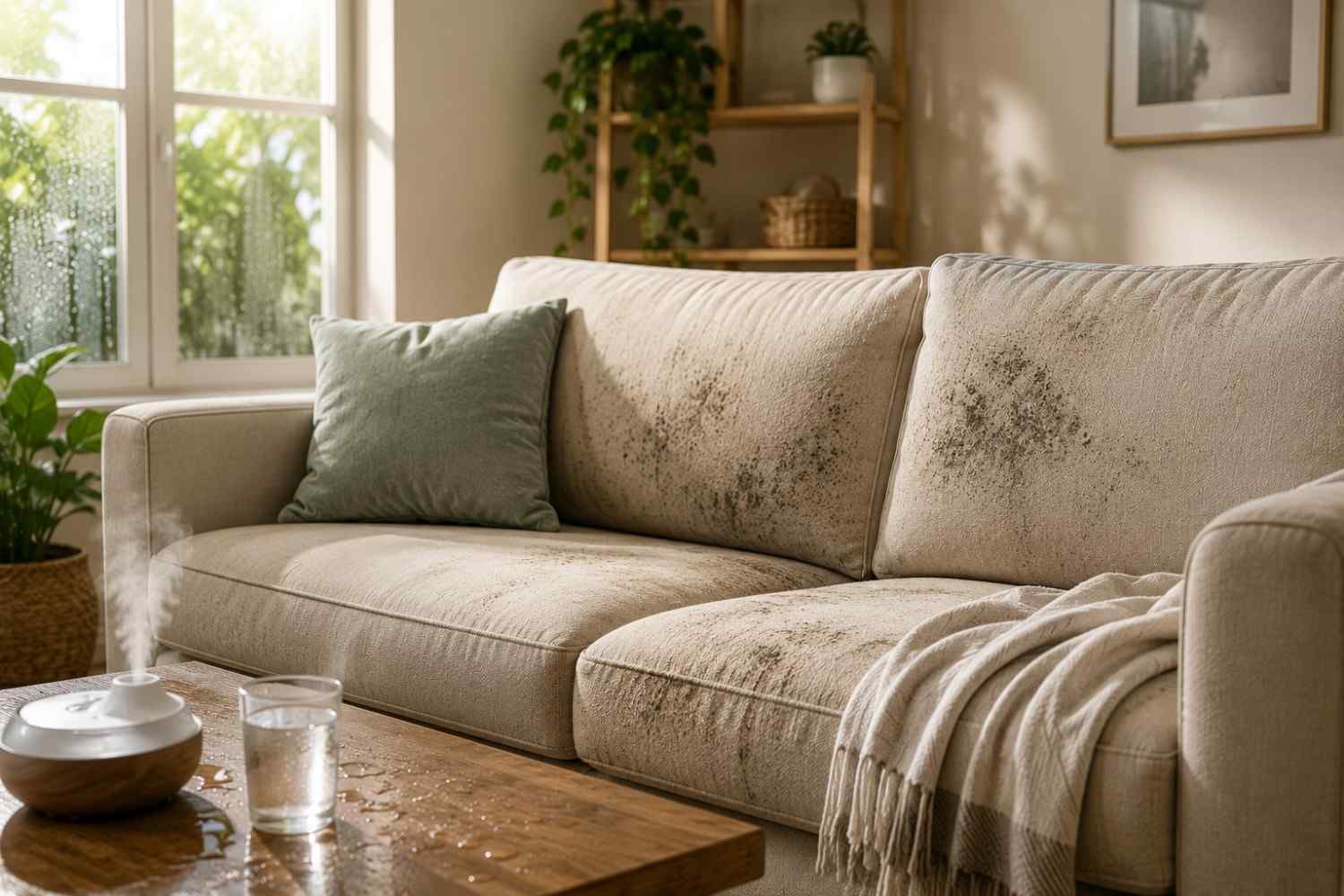
Mold is classified as a home disaster when it:
- Covers more than 10 square feet
- Spreads to walls, flooring, or HVAC systems
- Causes odors or respiratory symptoms
When to call a restoration specialist
If you suspect mold, don’t disturb it.
Professional containment, HEPA filtration, and full remediation are required.
4. Storm & Wind Damage
Utah’s windstorms, snowstorms, and hailstorms often cause sudden, severe home damage.
Common storm disasters include:
- Shingles ripped off roofs
- Broken windows
- Fallen trees
- Flooding from storm drains
- Ice dam leaks in winter
Why it counts as a disaster
Storm damage exposes your home to water intrusion, structural weakening, and safety hazards.
Homeowners often don’t see the full extent until a restoration specialist inspects the property.
Less Obvious But Serious: Hidden Home Disasters
Some disasters don’t look dramatic, but they cause long-term damage.
These include:
- Slow foundation leaks
- Crawlspace flooding
- Attic humidity
- HVAC condensation
- Electrical shorts after storms
- Smoke odor without visible fire damage
These are some of the most expensive problems because they go unnoticed until the damage becomes severe.
Professional inspection is essential for proper Utah home restoration before problems escalate.
How Restoration Specialists Decide What’s a Disaster
When a restoration company arrives, they assess:
✔ Severity of the damage
How much area is affected?
✔ Safety risks
Is electrical, structural, or mold danger present?
✔ Moisture or contamination
Are harmful bacteria, sewage, or mold involved?
✔ Insurance coverage
Most disasters fall under homeowners insurance, if properly documented.
✔ Restoration timeline
How fast must the home be dried, cleaned, or secured?
This determines the scope of Utah disaster restoration services required to fully restore the home.
When Should Homeowners Call a Restoration Specialist?
You should call immediately if you notice any of the following:
- Water on floors or walls
- Smoke or soot residue
- Mold smell or visible growth
- Storm damage to roof, windows, or siding
- Sewage backups
- Fire residue or lingering smoke odor
For Utah homeowners, time is critical, delaying restoration increases long-term damage and insurance complications.
How Utah Disaster Restoration Services Help
A certified restoration team handles the entire process:
1. Emergency Response
24/7 arrival for water, storm, fire, or mold emergencies.
2. Damage Inspection
Thermal imaging, moisture meters, and full safety evaluation.
3. Water Extraction & Drying
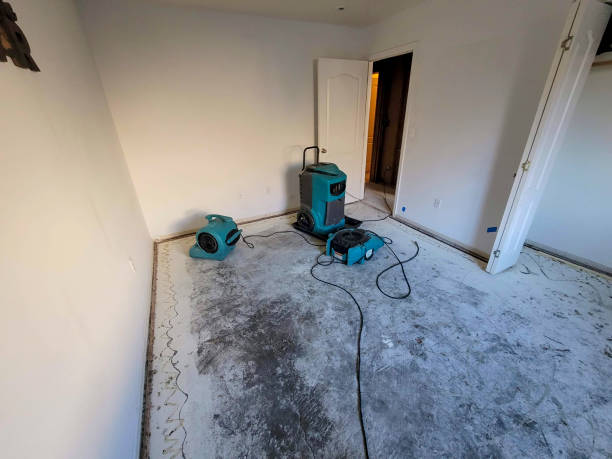
Industrial pumps, air movers, and dehumidifiers.
4. Mold Prevention & Removal
HEPA filtration, antimicrobial treatments, and full containment.
5. Fire & Smoke Cleanup
Soot removal, odor neutralization, HVAC cleaning.
6. Structural Repairs
Drywall, flooring, painting, roofing, window replacement.
7. Insurance Support
Documentation, photos, and communication with your adjuster.
This full-service approach is what makes Utah home restoration companies essential after any home disaster.
Conclusion
A “home disaster” in Utah includes any event that threatens your home’s safety, structure, or livability, from floods and fires to mold or storm damage. The most important step is acting quickly and calling a qualified restoration specialist who can assess the damage, prevent further problems, and restore your home safely.
Whether it’s water, fire, mold, or storm damage, Pure Restoration Utah provides fast and comprehensive Utah disaster restoration services to protect your home and family.
📞 Need help after a home disaster? Contact Pure Restoration Utah 24/7.